PPE

00:00
/
00:00
Experience Overview
- Student completion records
- VR training certificates
- Training groups
- Scheduling
- Set refresher training frequency
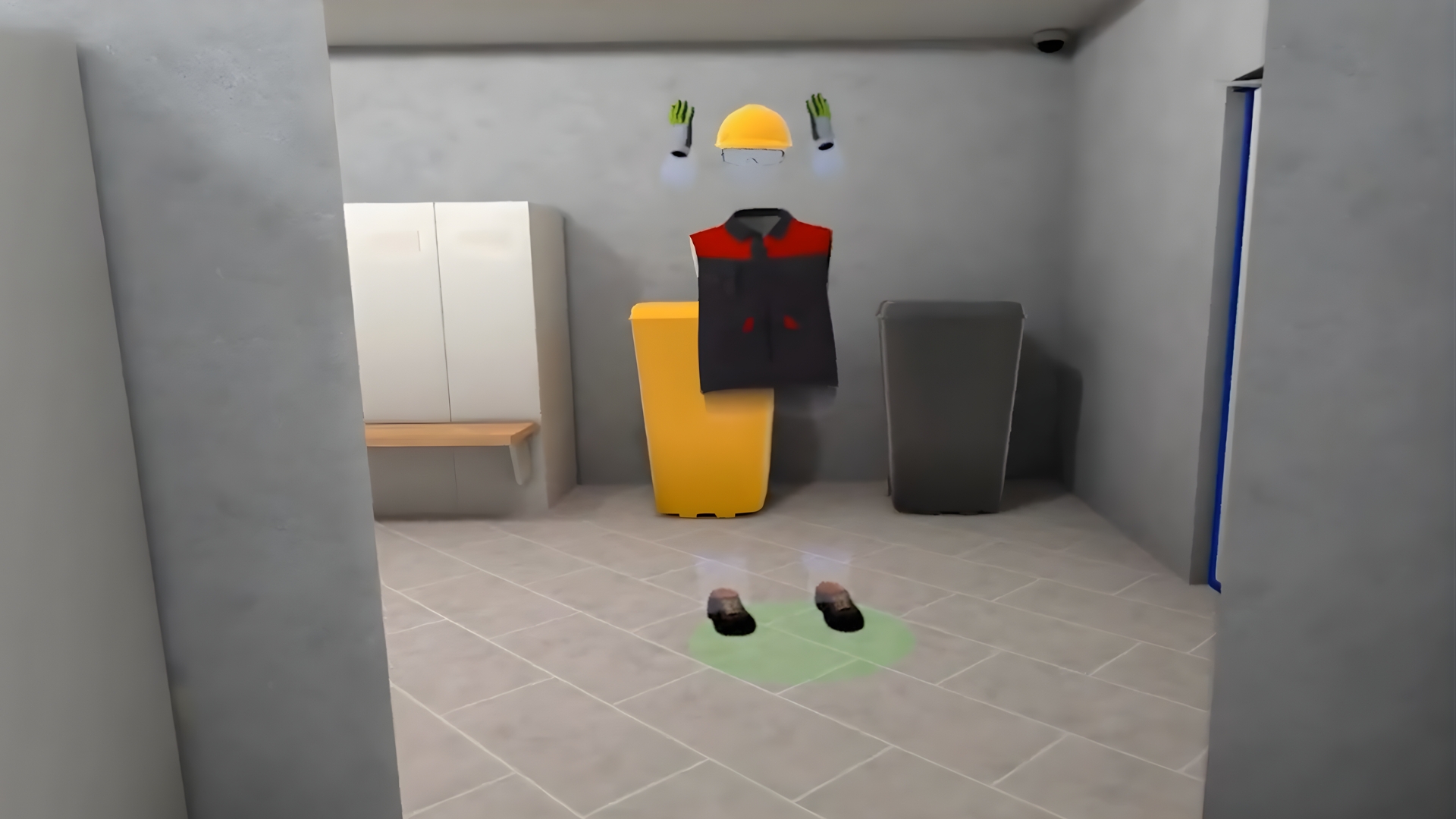
Personal Protective Equipment, commonly referred to as "PPE", is equipment worn to minimize exposure to hazards that cause serious workplace injuries and illnesses.
These injuries and illnesses can result from exposure to chemical, radiological, physical, electrical, mechanical, or other workplace hazards.
In the VR Training you will find the following preparation scenarios:
Electrical Work: 1 kV, 10 kV, 15 kV, 25 kV Tasks
Chemical hazards: Levels A,B,C,D
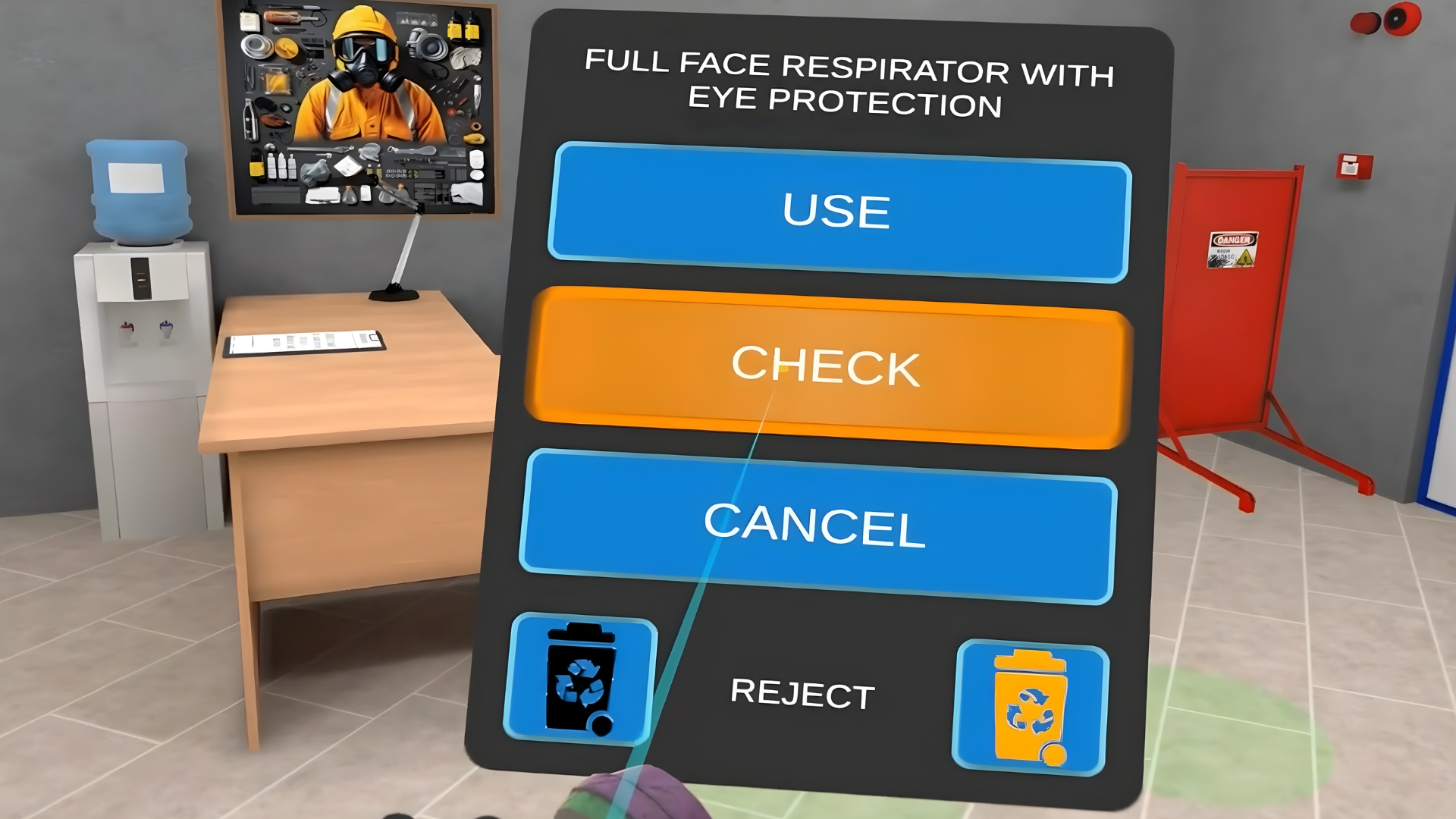
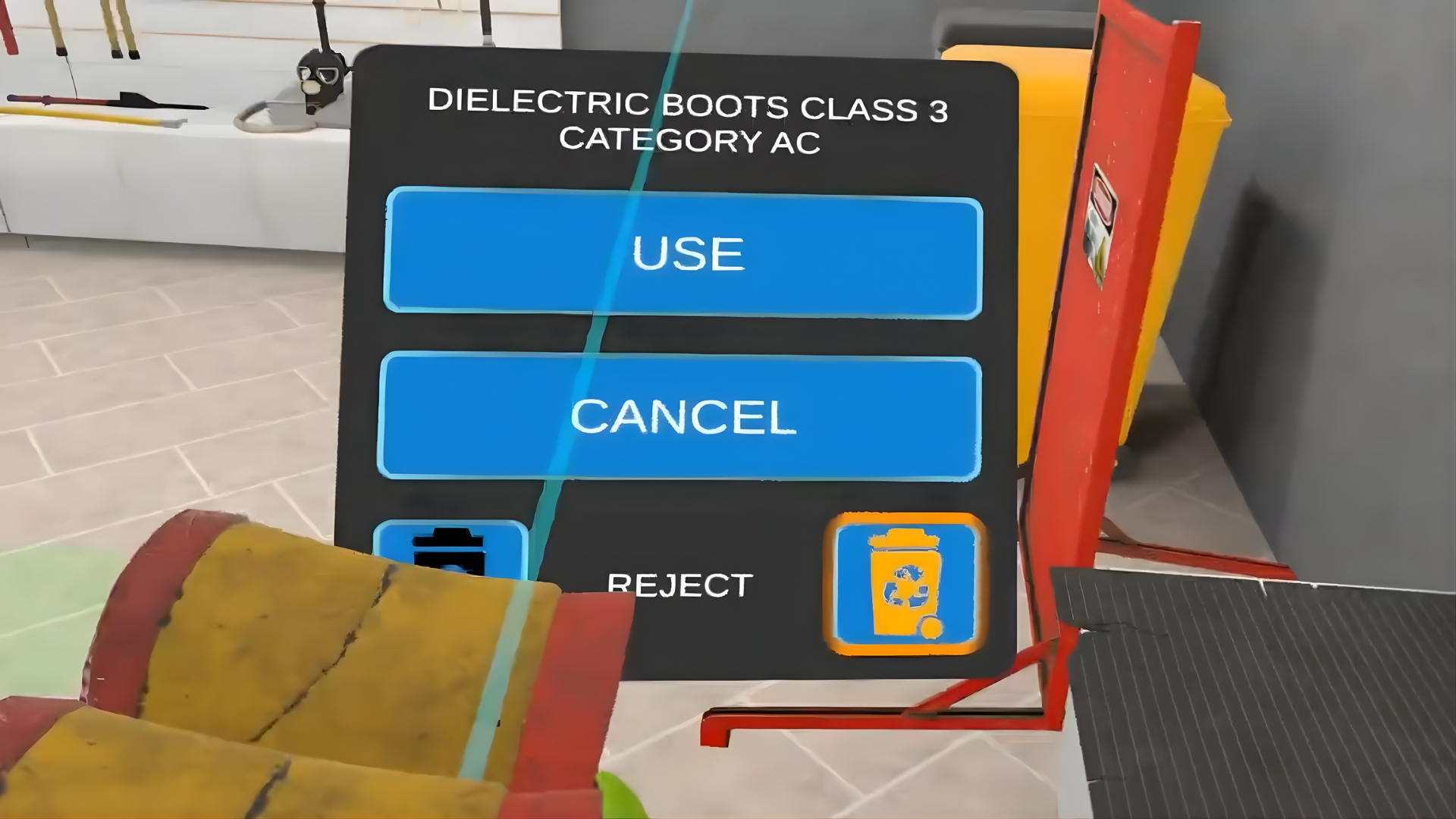
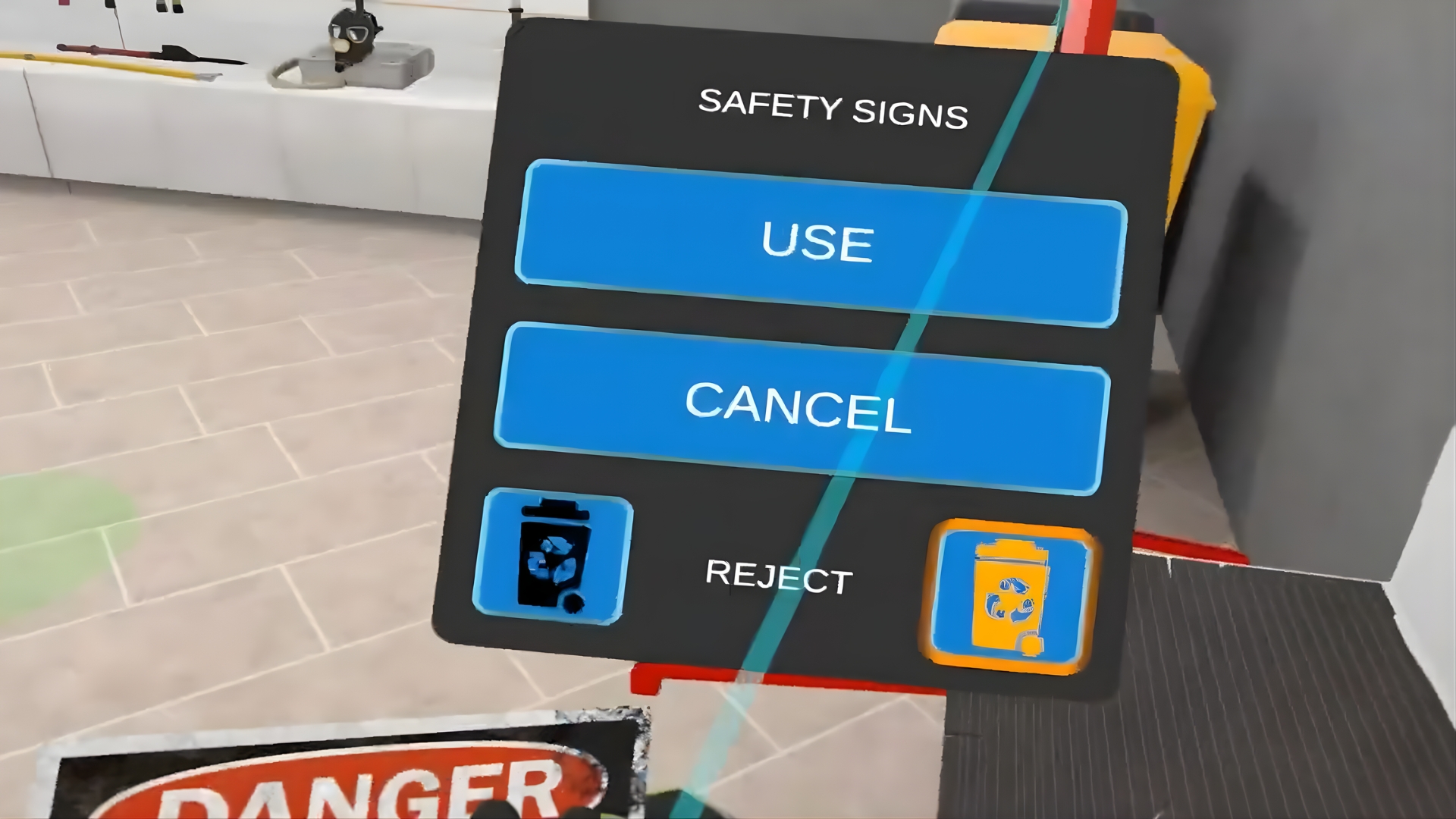
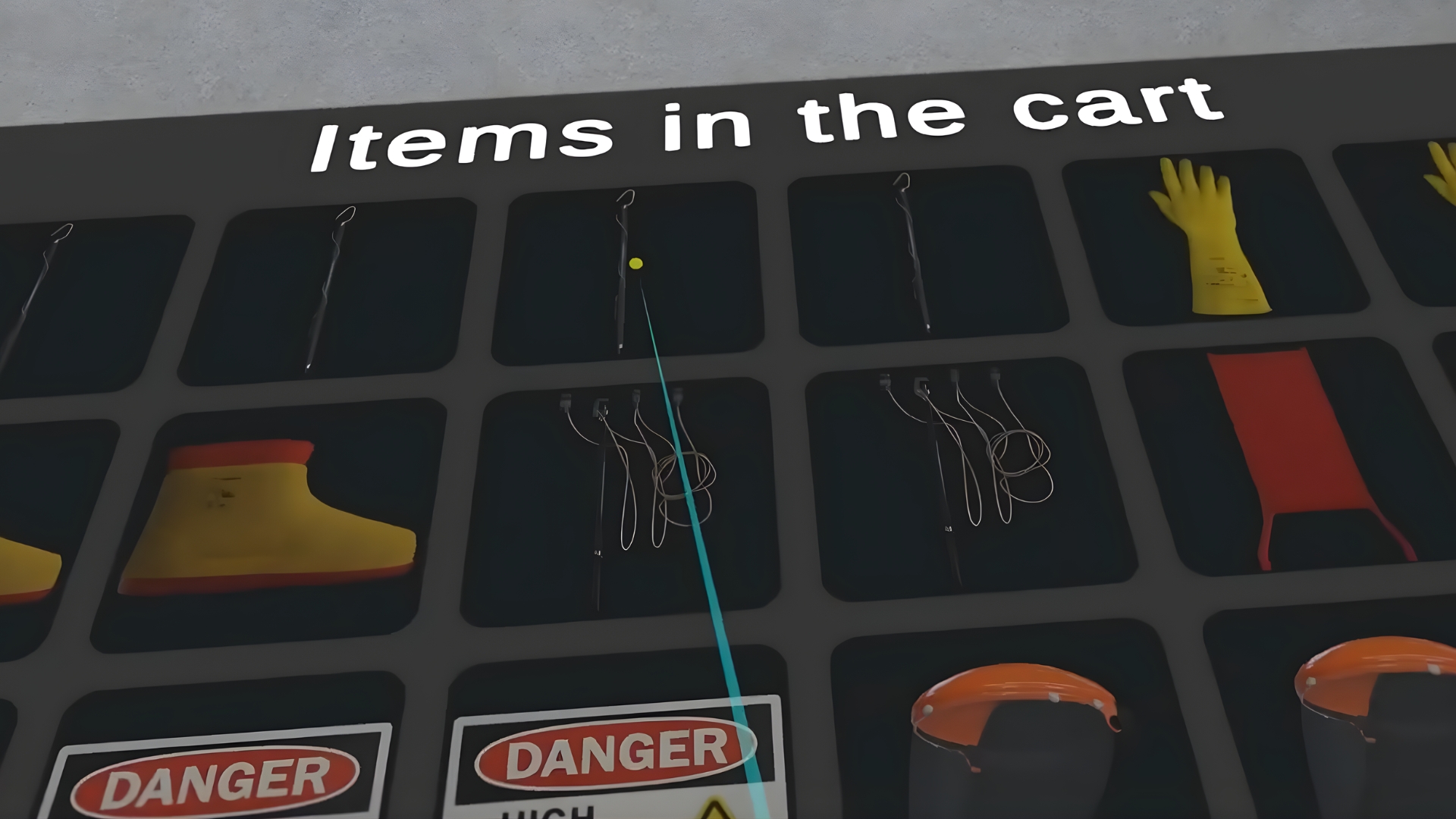
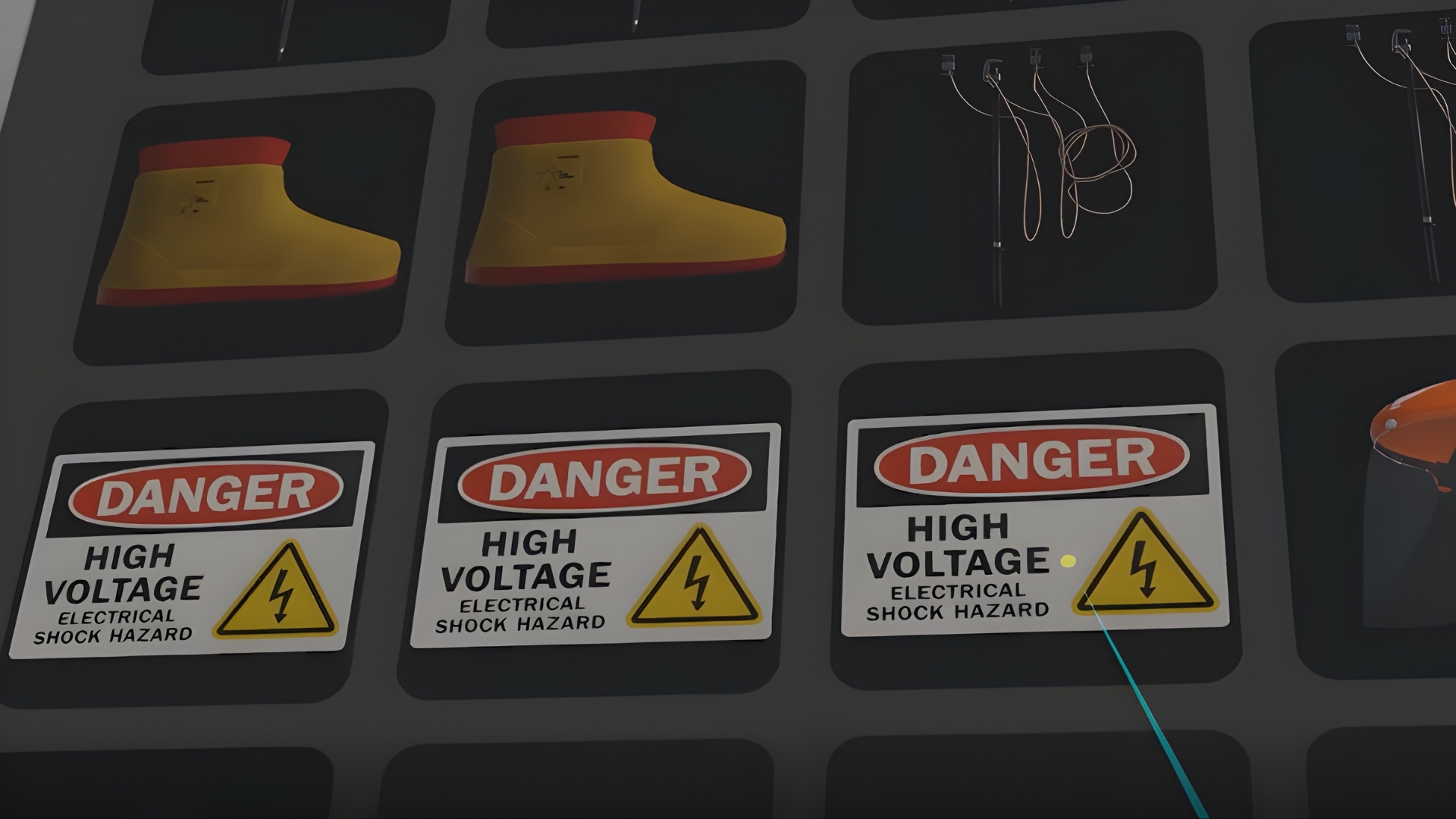
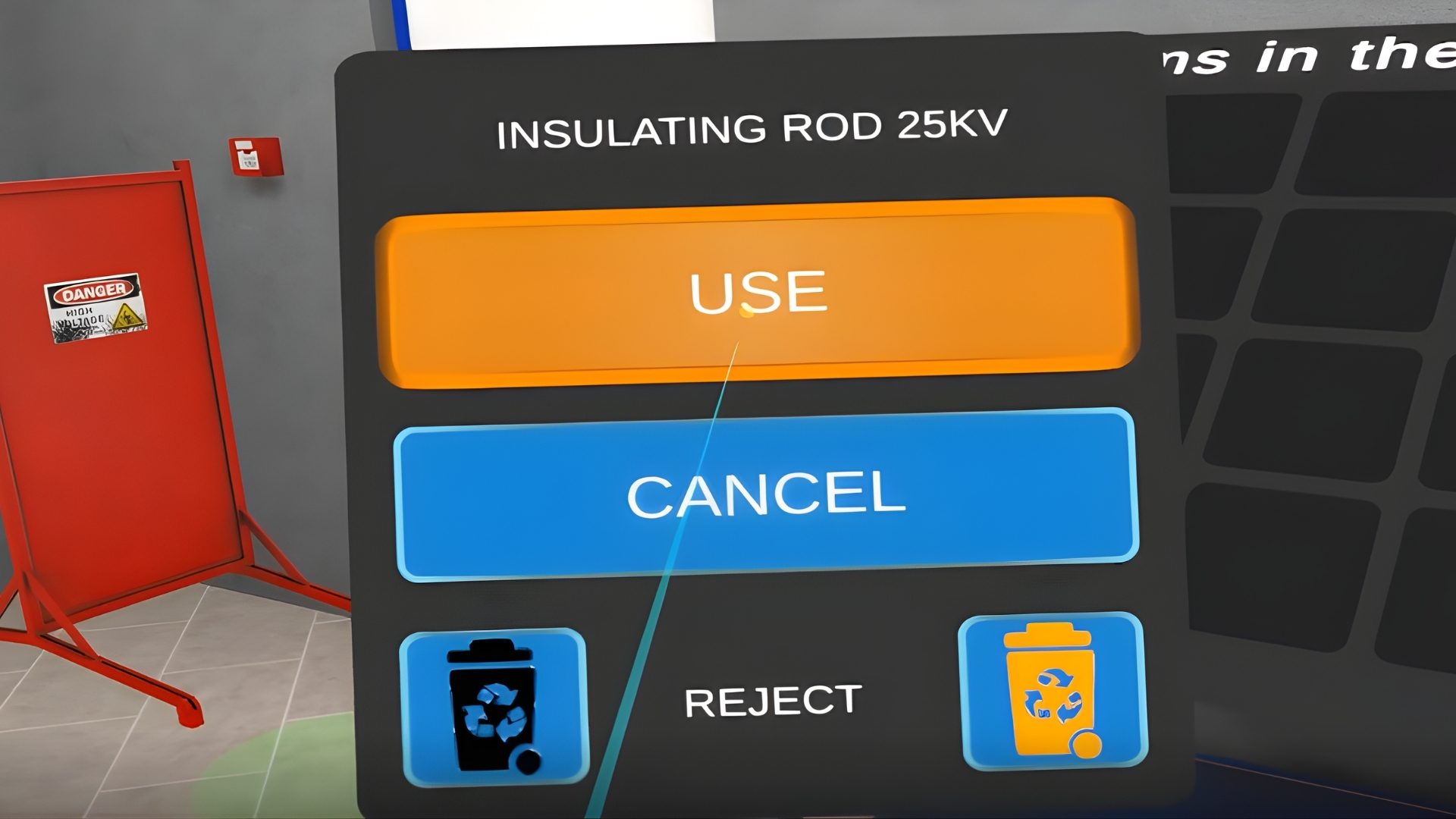
The VR Training includes checking basic PPEs, declining the damaged ones, understanding of the checking process, dividing the PPEs into the ones that you are wearing now and the ones that you should bring to your workplace.
Languages
Learning Outcomes
Training mode selection and task independence:
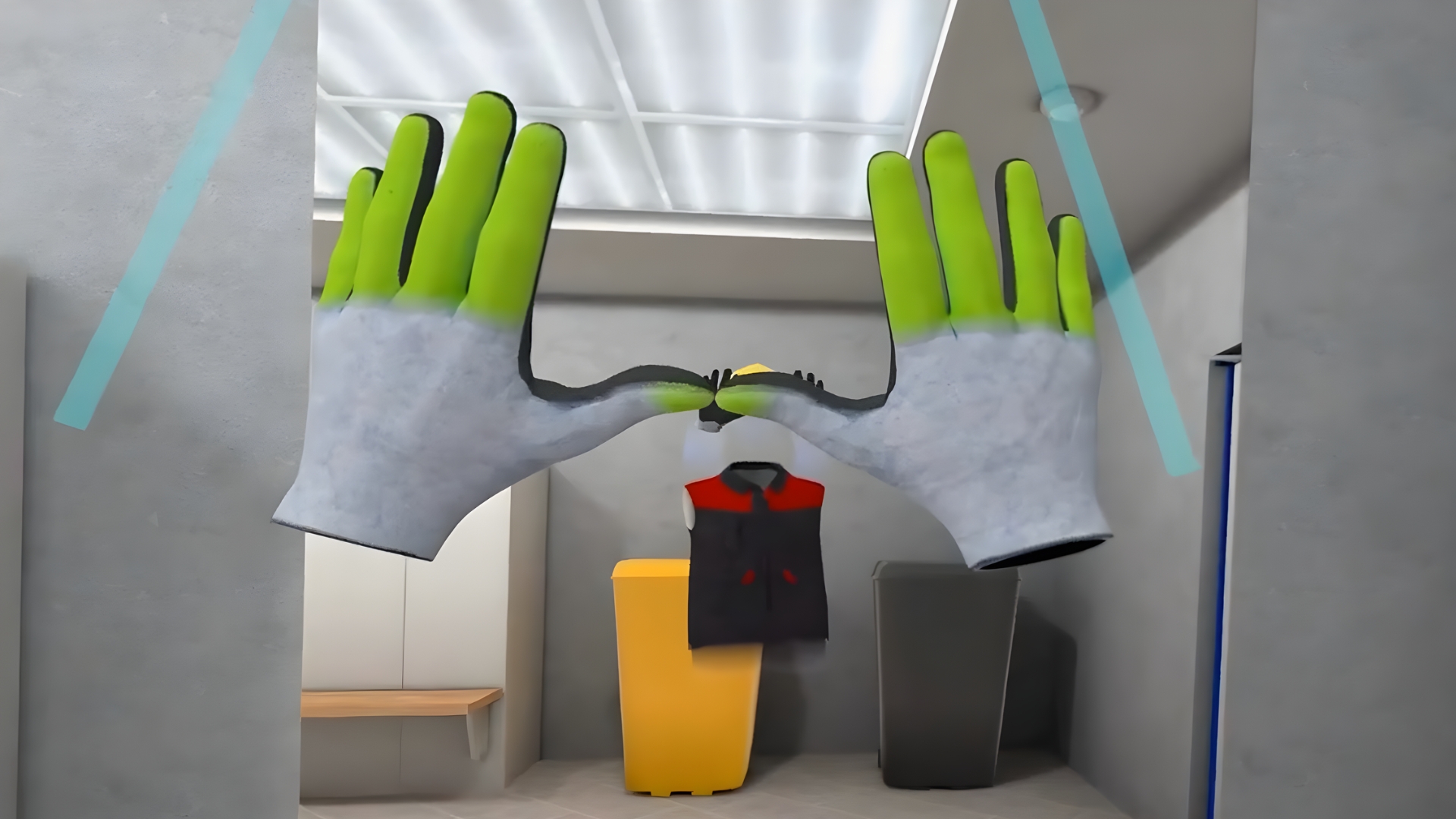
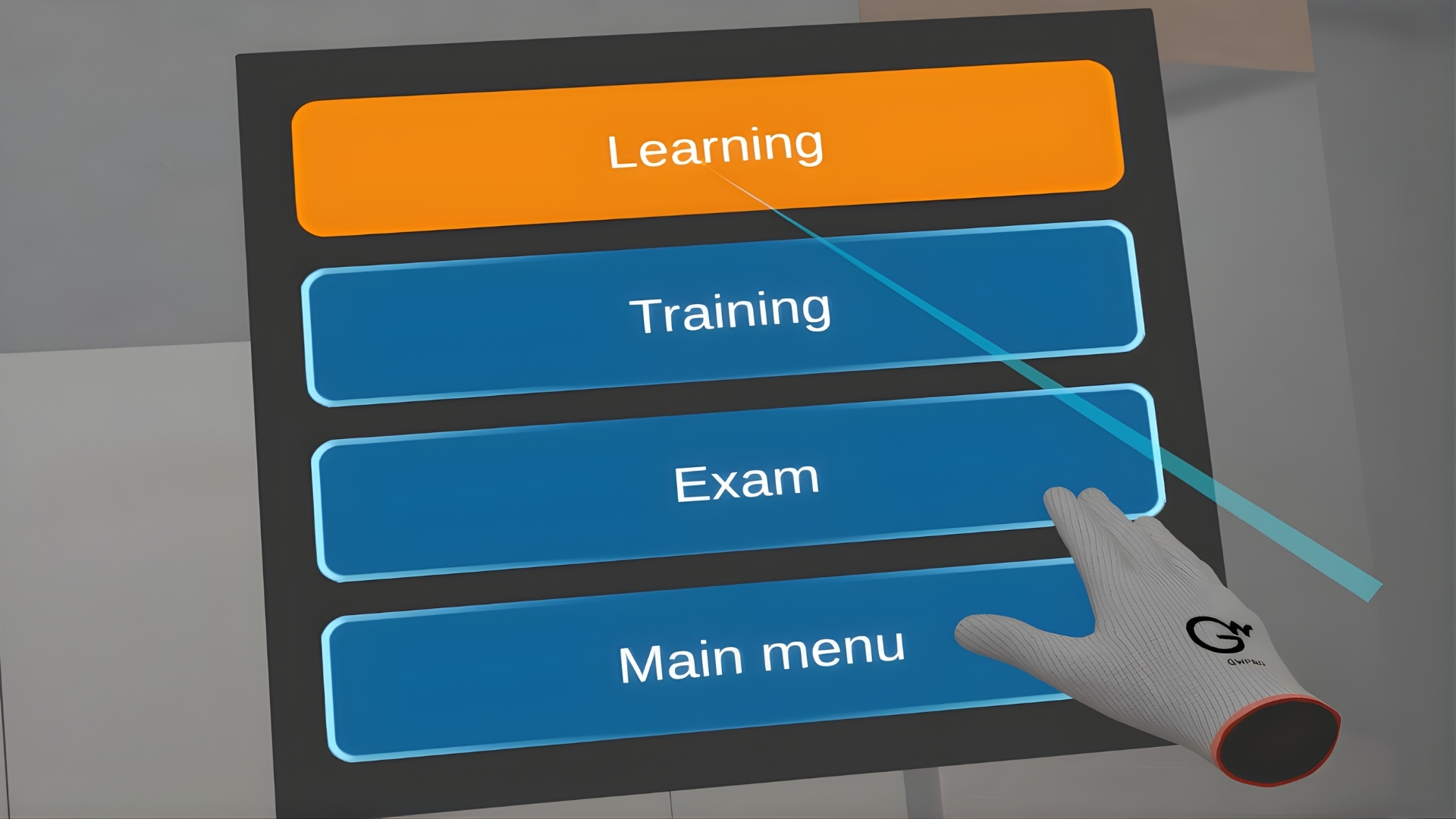
- Understand the differences between Learning, Training, and Exam modes and complete tasks with or without guided assistance.
Safe locker access and PPE preparation:
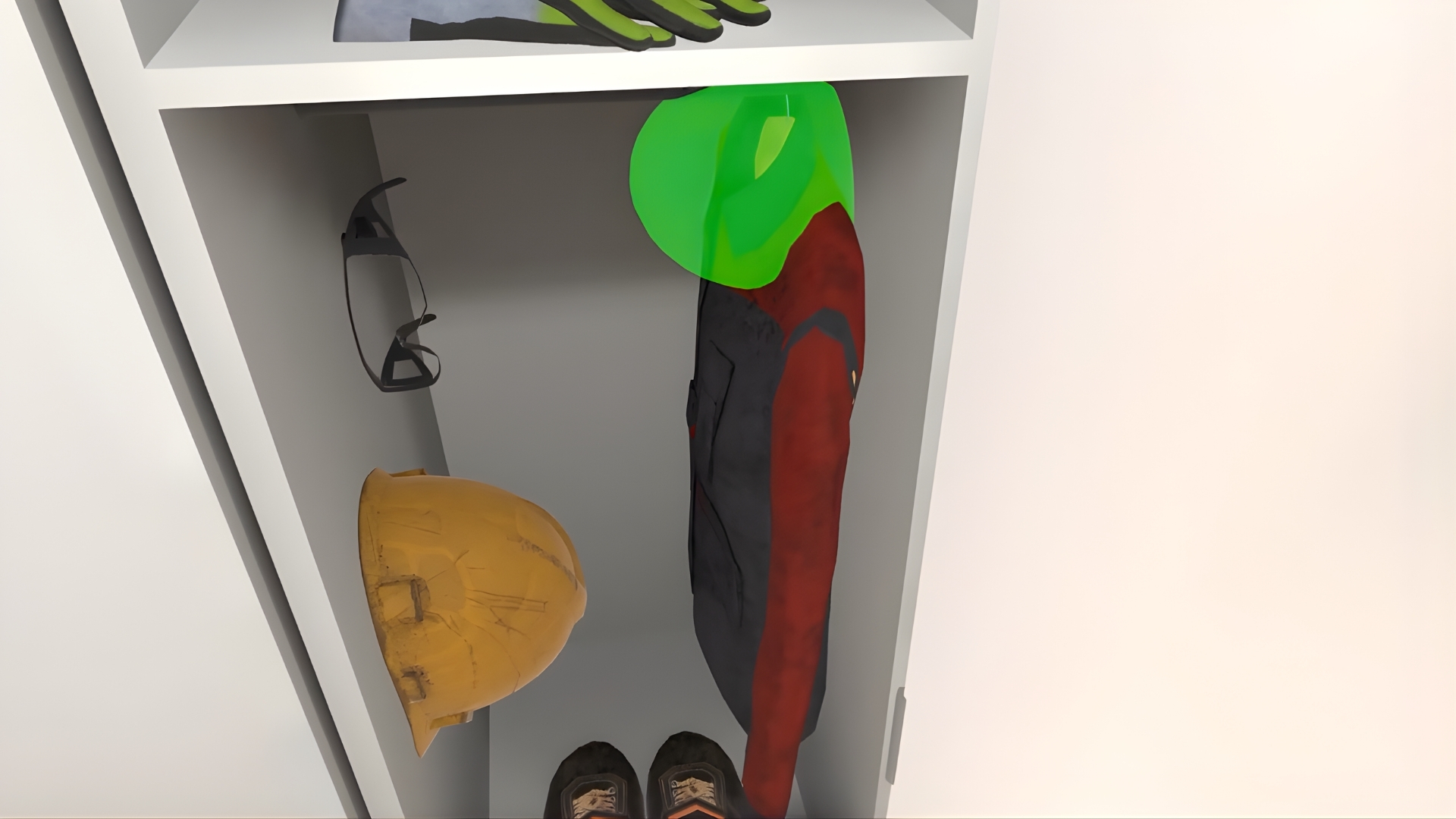
- Navigate to lockers, open and close them correctly, and prepare personal protective equipment for inspection.
Visual and functional inspection of basic PPE:
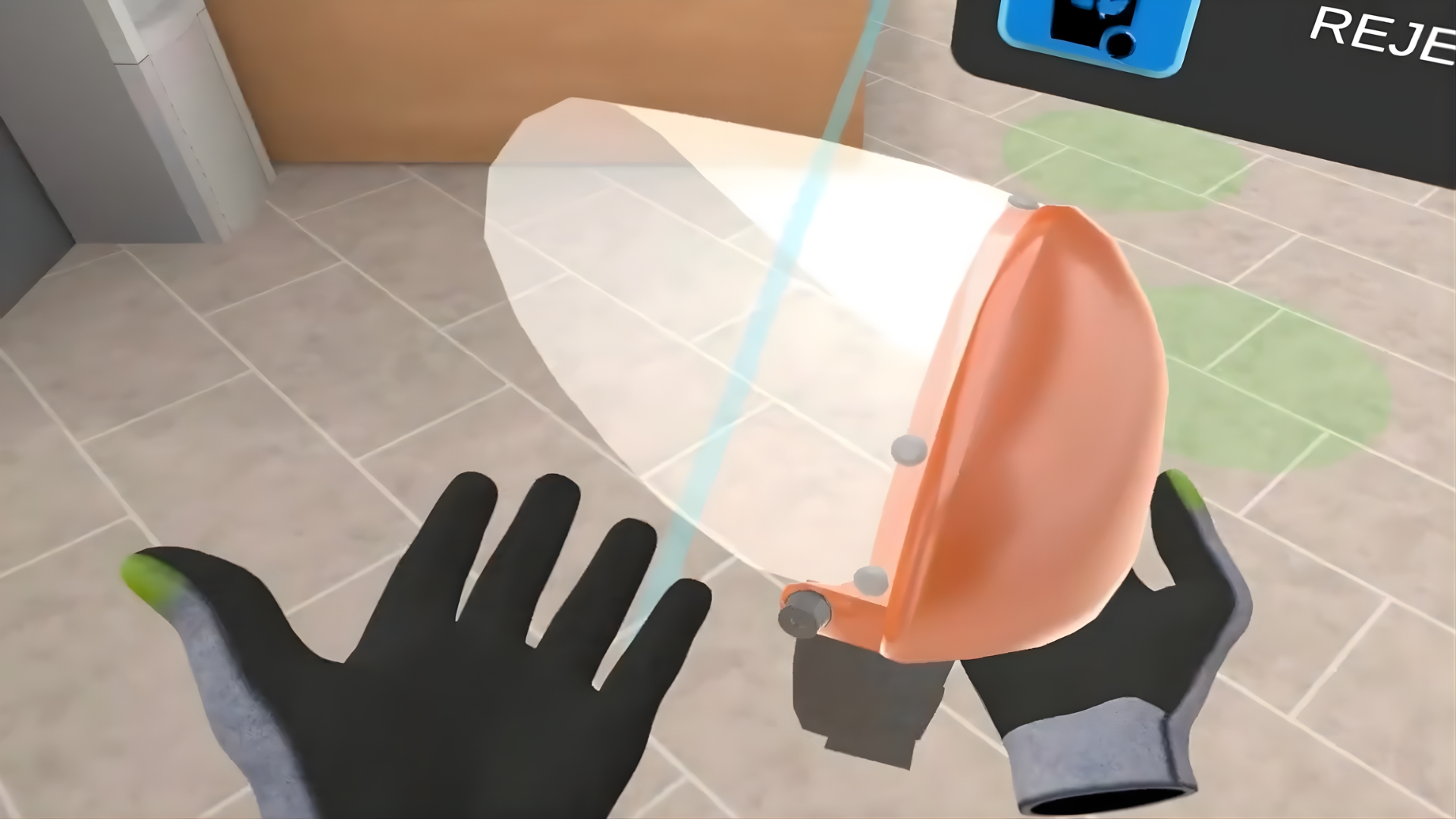
- Inspect uniforms, safety shoes, insulated gloves, hard hats, goggles, and face shields for damage or defects.
Correct decision-making for PPE acceptance or rejection:
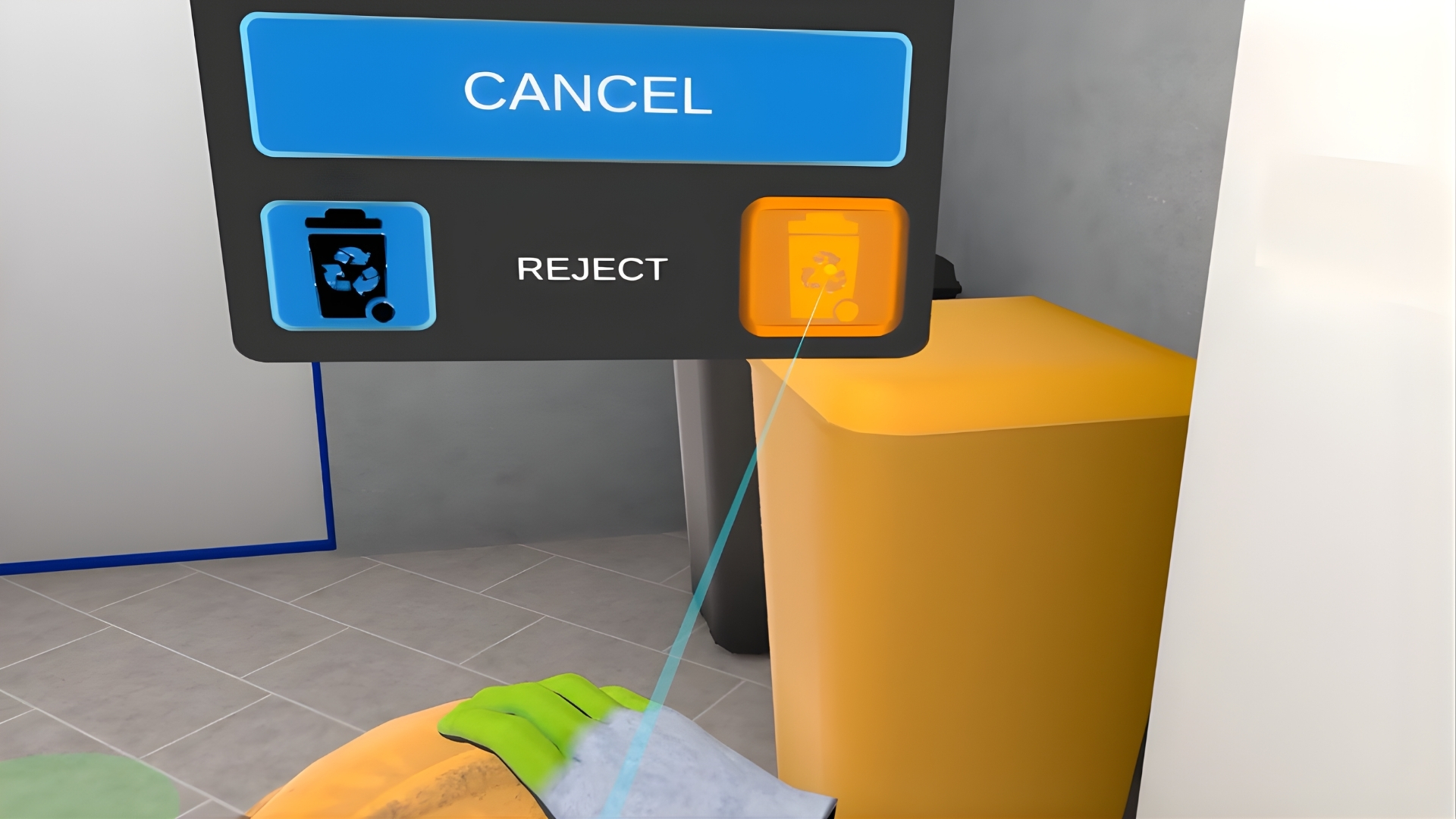
- Identify damaged equipment and correctly reject it, while approving compliant PPE for use.
Proper donning and verification of PPE fit:
- Confirm correct PPE usage and fit through mirror inspection before proceeding to task activities.
Documentation review and authorization:
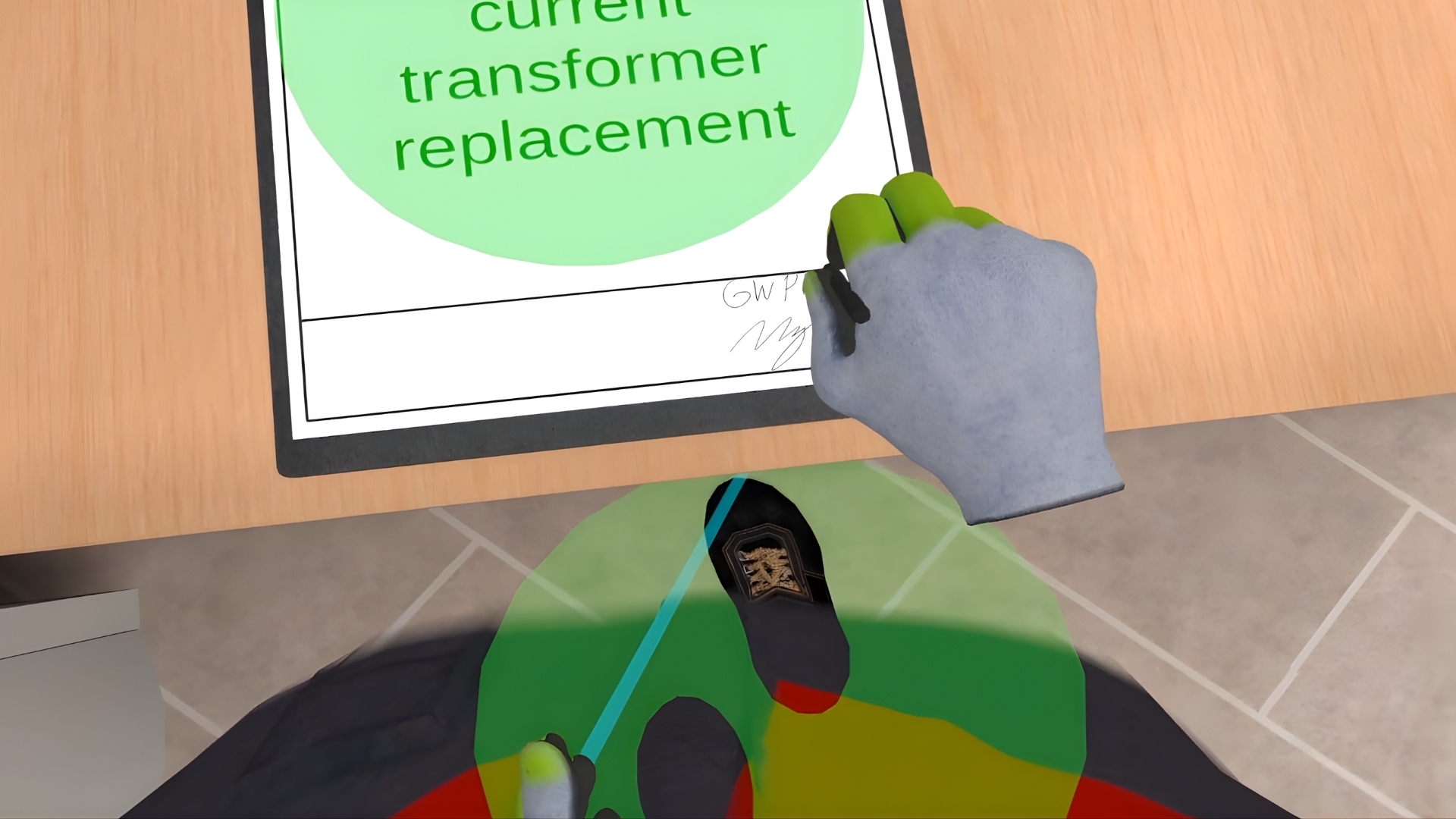
- Read, understand, and sign required work documentation prior to equipment collection.
Task-specific PPE and tool selection:
- Identify and collect the correct personal protective equipment and safety tools based on task requirements.
Voltage-rated equipment verification:
- Inspect insulating rods, voltage indicators, dielectric gloves, overshoes, mats, and earthing equipment for correct voltage or class labels.
Functional testing of safety devices:
- Perform operational checks on voltage indicators and respirators to confirm safe functionality.
Safe handling and storage of approved equipment:
- Place inspected and approved PPE and tools correctly onto carts or designated storage areas.
Hazard control equipment preparation:
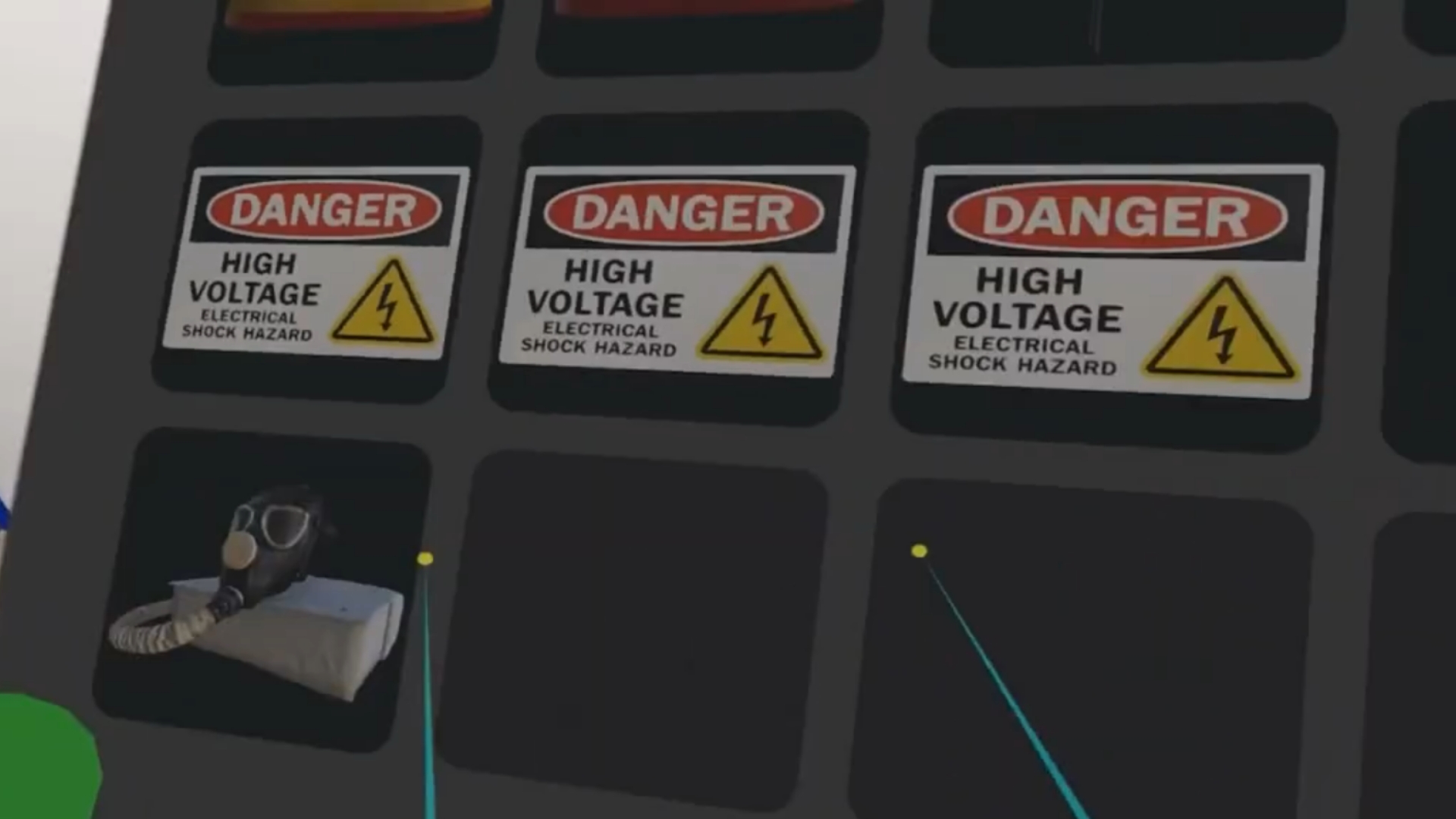
- Inspect and position safety fences, posters, and barricading tools to support safe work zones.
Chemical hazard protection readiness:
- Select, inspect, and prepare chemical-resistant suits, gloves, respirators, and footwear appropriate to hazard levels.
Final task readiness verification:
- Conduct a complete review of PPE and safety tools to ensure readiness before task completion.
Task completion and safe exit procedure:
- Confirm task completion through system controls and exit the scenario safely using the menu.
Quick answers to important questions
Didn’t find the answer? Contact us and we’ll tell you more.
CONTACT USWhat is Custom VR Builds?
It’s a service where Next World creates a fully tailored VR-training solution for your company — a custom course built to meet your industry-specific requirements rather than using a generic off-the-shelf VR module.
How does the custom-build process work?
The process typically follows these phases: you provide training documentation, subject-matter experts get involved, learning outcomes are identified, storyboard is created, virtual assets are modeled, testing and quality assurance, and finally deployment in your environment.
What type of training scenarios can be built?
You can build VR scenarios for hazard awareness, safe-practice with tools and equipment, practicing safety procedures step-by-step, and even testing learner’s knowledge in simulated hazardous situations — as if in real life but safe.
Is custom VR suitable for refresher training as well?
Yes — custom VR builds can be used for refresher/training-update courses to efficiently refresh skills and knowledge without re-arranging real equipment or putting people at risk.
What learning methodology does custom VR follow?
Next World suggests a blended approach: combining face-to-face, practical and immersive training methods, which helps improve retention, practical competence, and reduces incidents.