Wedge Scaffolding Assembly
00:00
/
00:00
- Student completion records
- VR training certificates
- Training groups
- Scheduling
- Set refresher training frequency
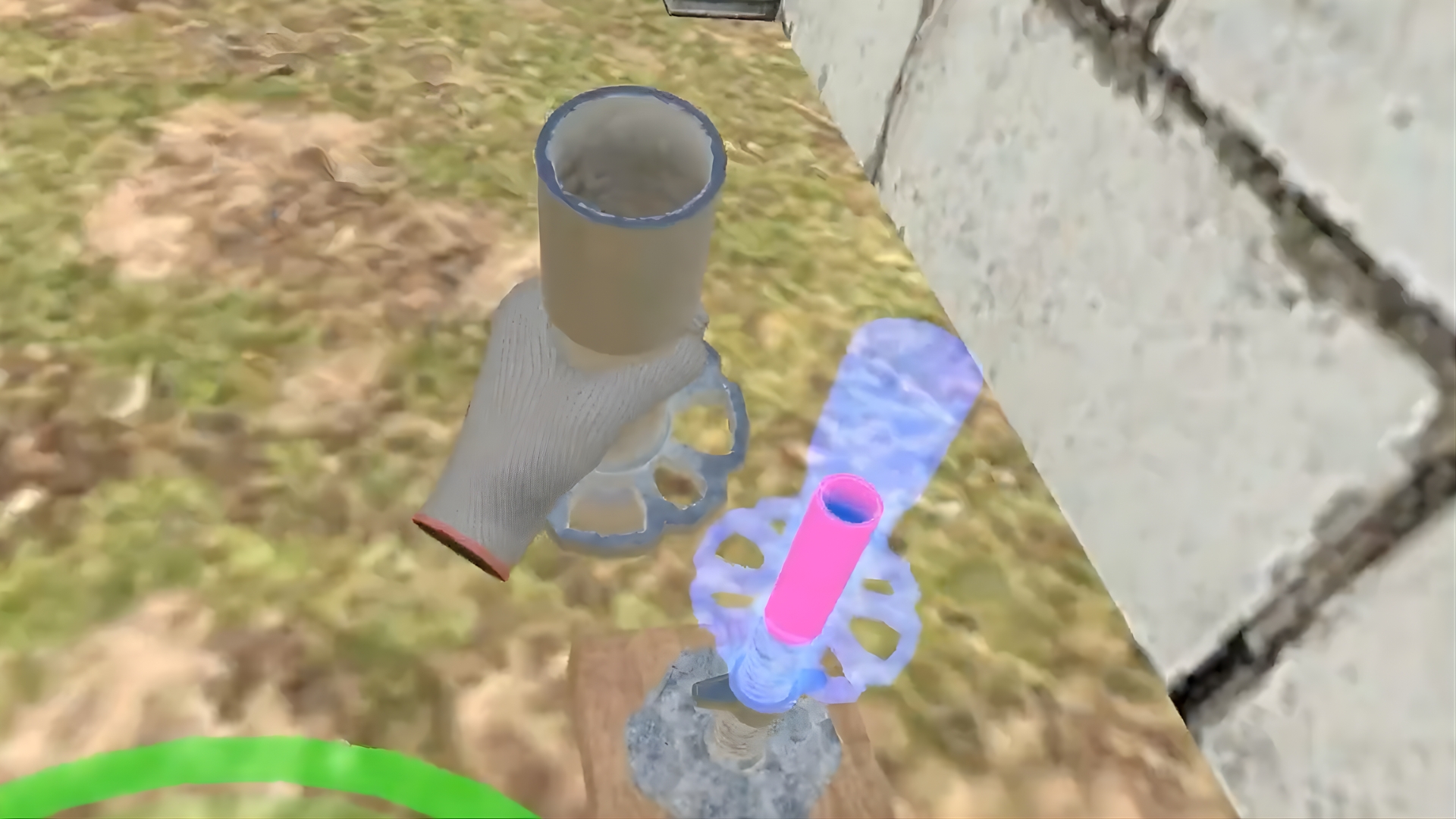
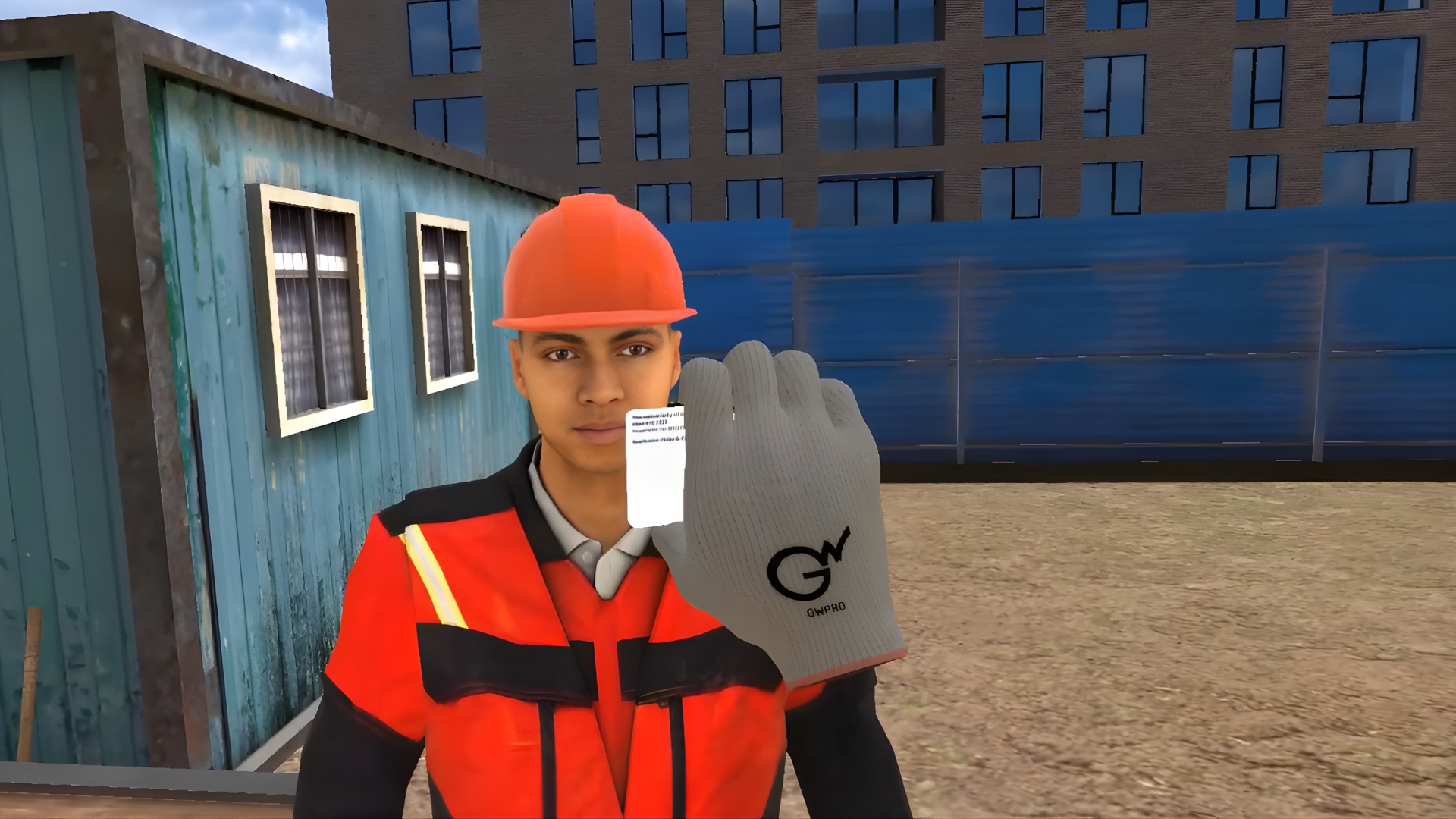
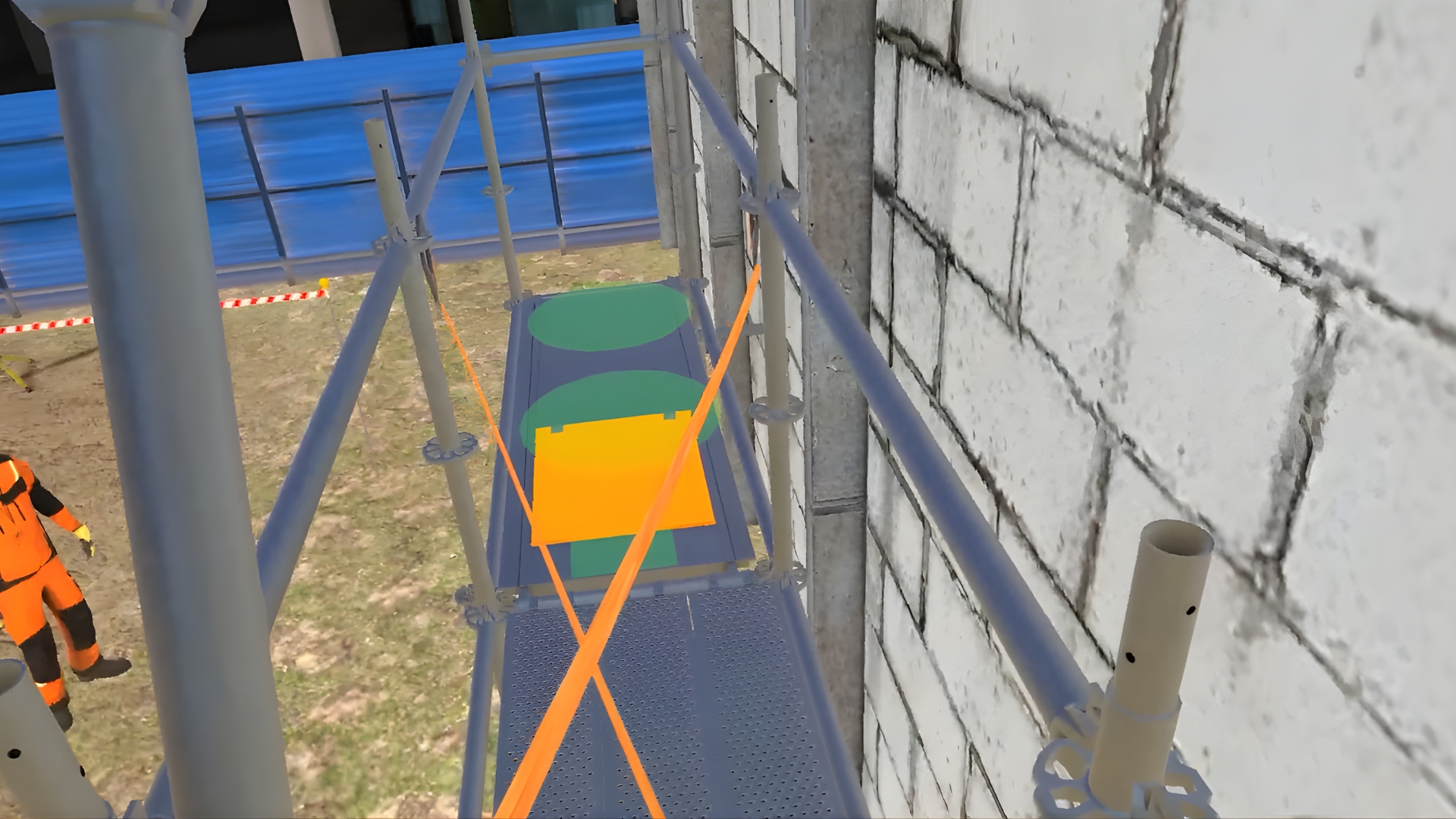
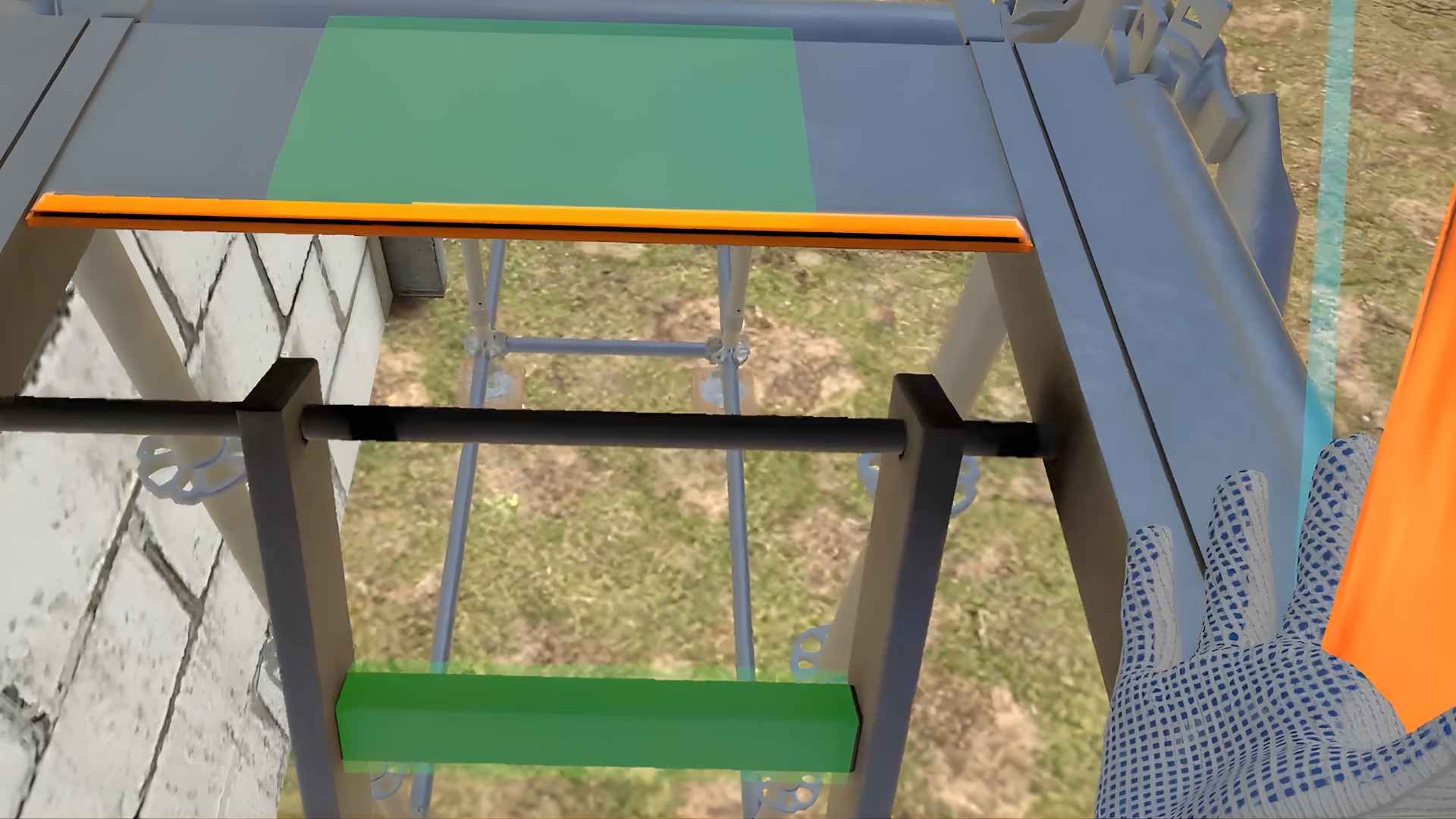
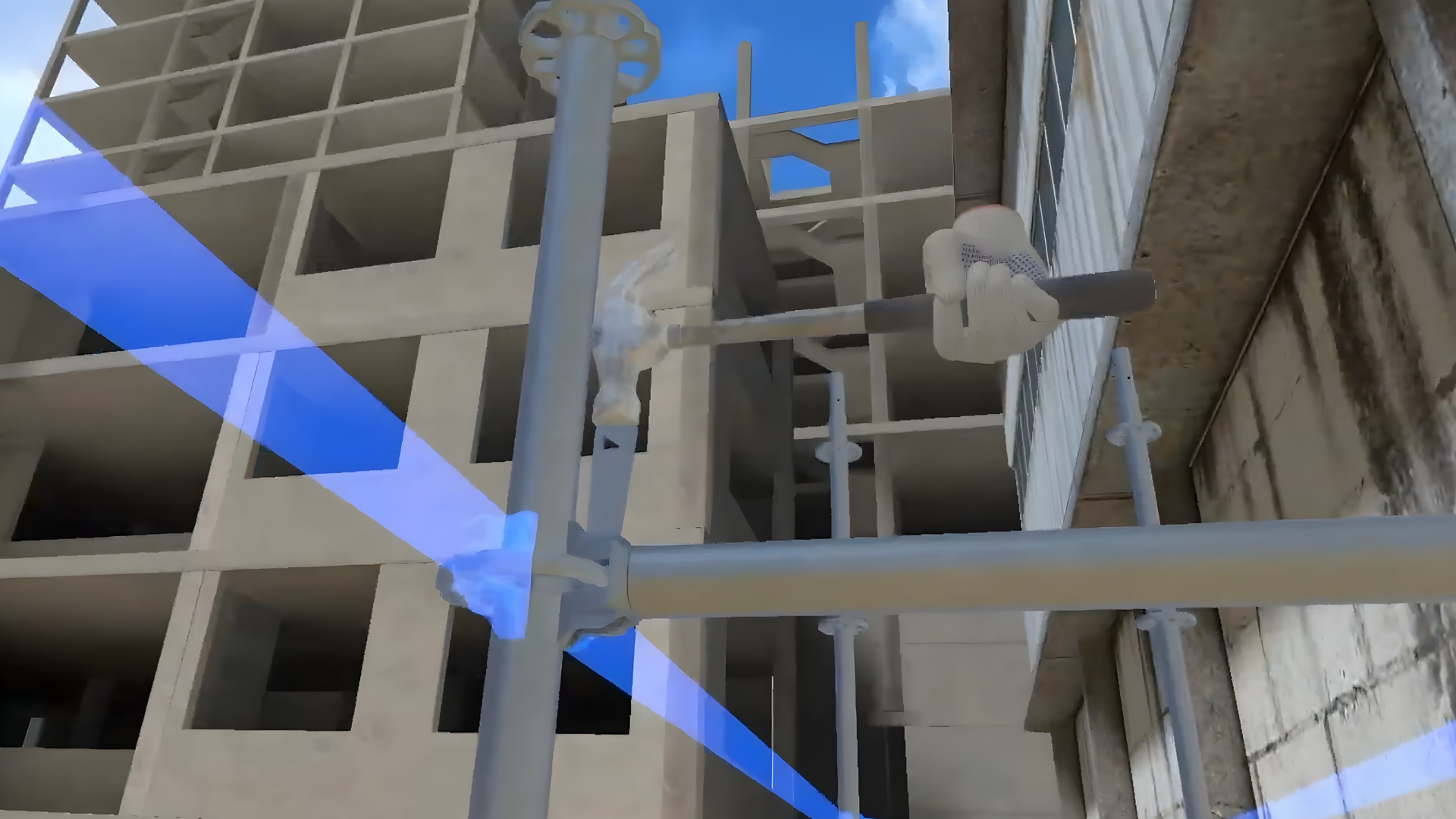
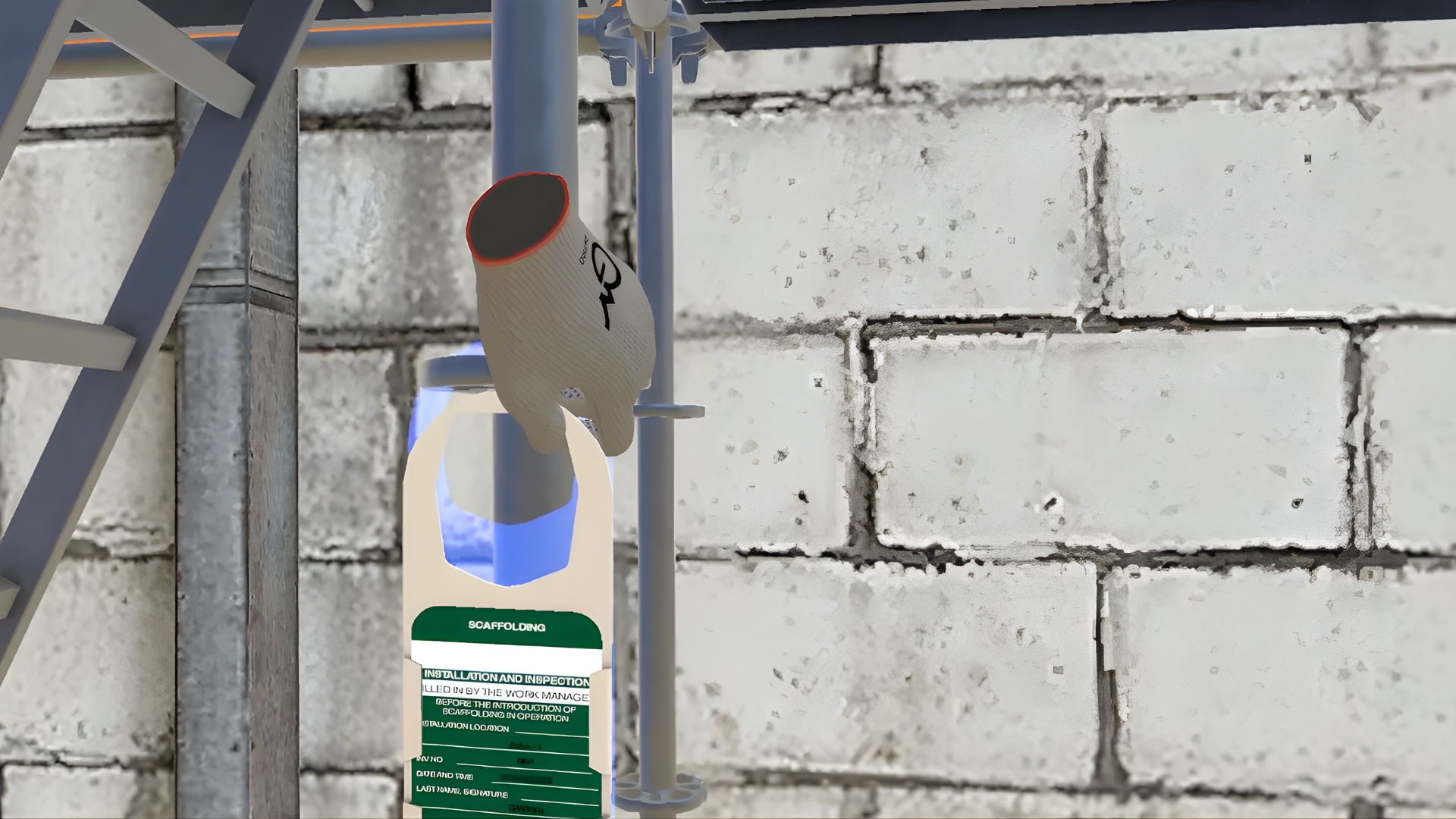
In the VR simulator, the user will prepare the site, tools, construct three levels of the wedge scaffolding, control the horizontal level of the scaffolding parts, and mark the scaffolding as ready for use. The second member of the team will help with the task.
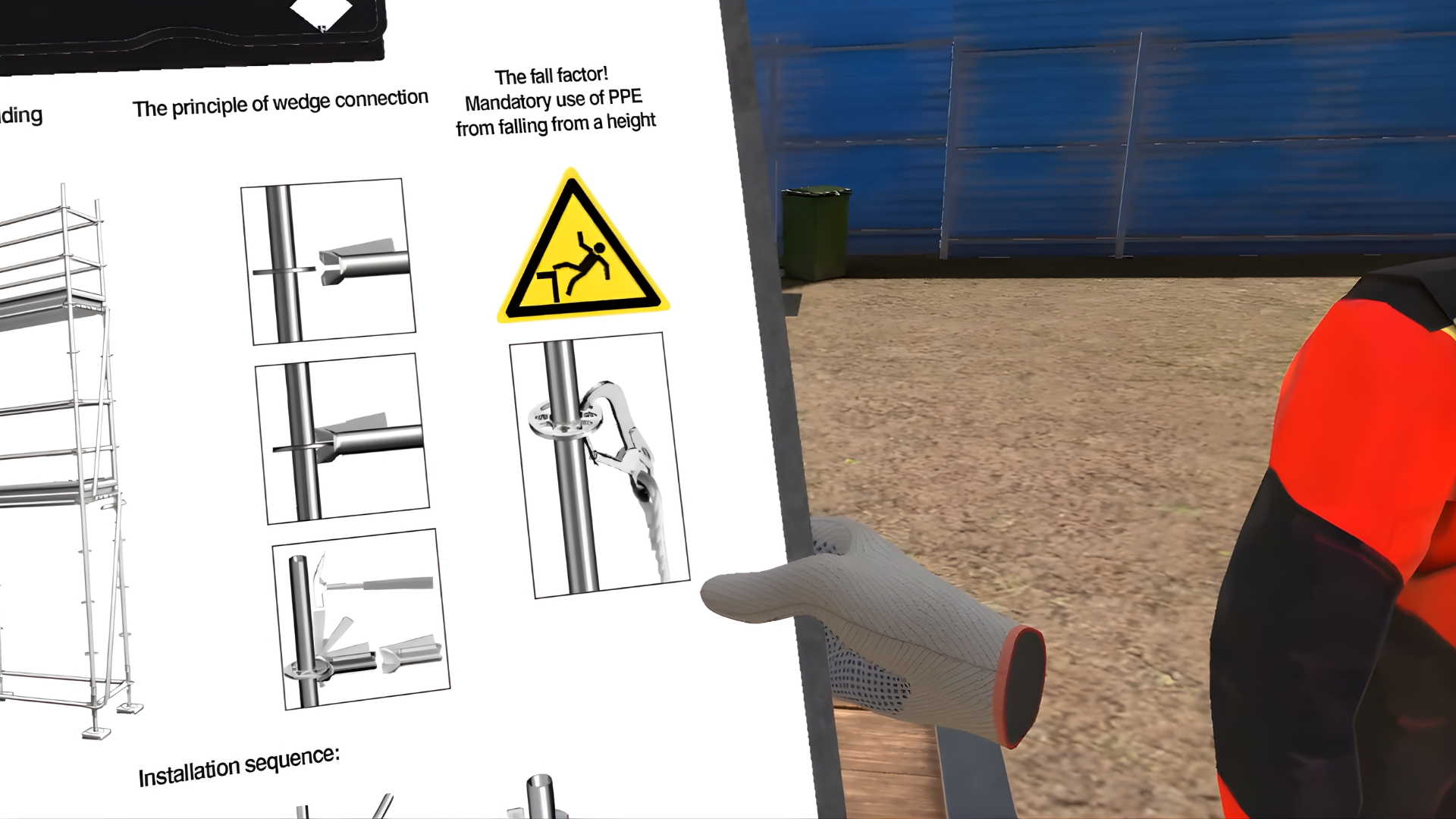
The simulator begins with the work permit and the task, collecting and placing the necessary tools on the belt and taping the perimeter. Then the user learns to build scaffolding levels and verticals step by step, controlling the correctness of the construction. We will use the safety harness for working at height, a hammer drill to create anchor points, and ladders for easy movement.
Scaffolding will be erected and inspected according to the standards and tagged as readyfor use.
Languages
Learning Outcomes
.jpg)
What is Custom VR Builds?
It’s a service where Next World creates a fully tailored VR-training solution for your company — a custom course built to meet your industry-specific requirements rather than using a generic off-the-shelf VR module.
How does the custom-build process work?
The process typically follows these phases: you provide training documentation, subject-matter experts get involved, learning outcomes are identified, storyboard is created, virtual assets are modeled, testing and quality assurance, and finally deployment in your environment.
What type of training scenarios can be built?
You can build VR scenarios for hazard awareness, safe-practice with tools and equipment, practicing safety procedures step-by-step, and even testing learner’s knowledge in simulated hazardous situations — as if in real life but safe.
Is custom VR suitable for refresher training as well?
Yes — custom VR builds can be used for refresher/training-update courses to efficiently refresh skills and knowledge without re-arranging real equipment or putting people at risk.
What learning methodology does custom VR follow?
Next World suggests a blended approach: combining face-to-face, practical and immersive training methods, which helps improve retention, practical competence, and reduces incidents.