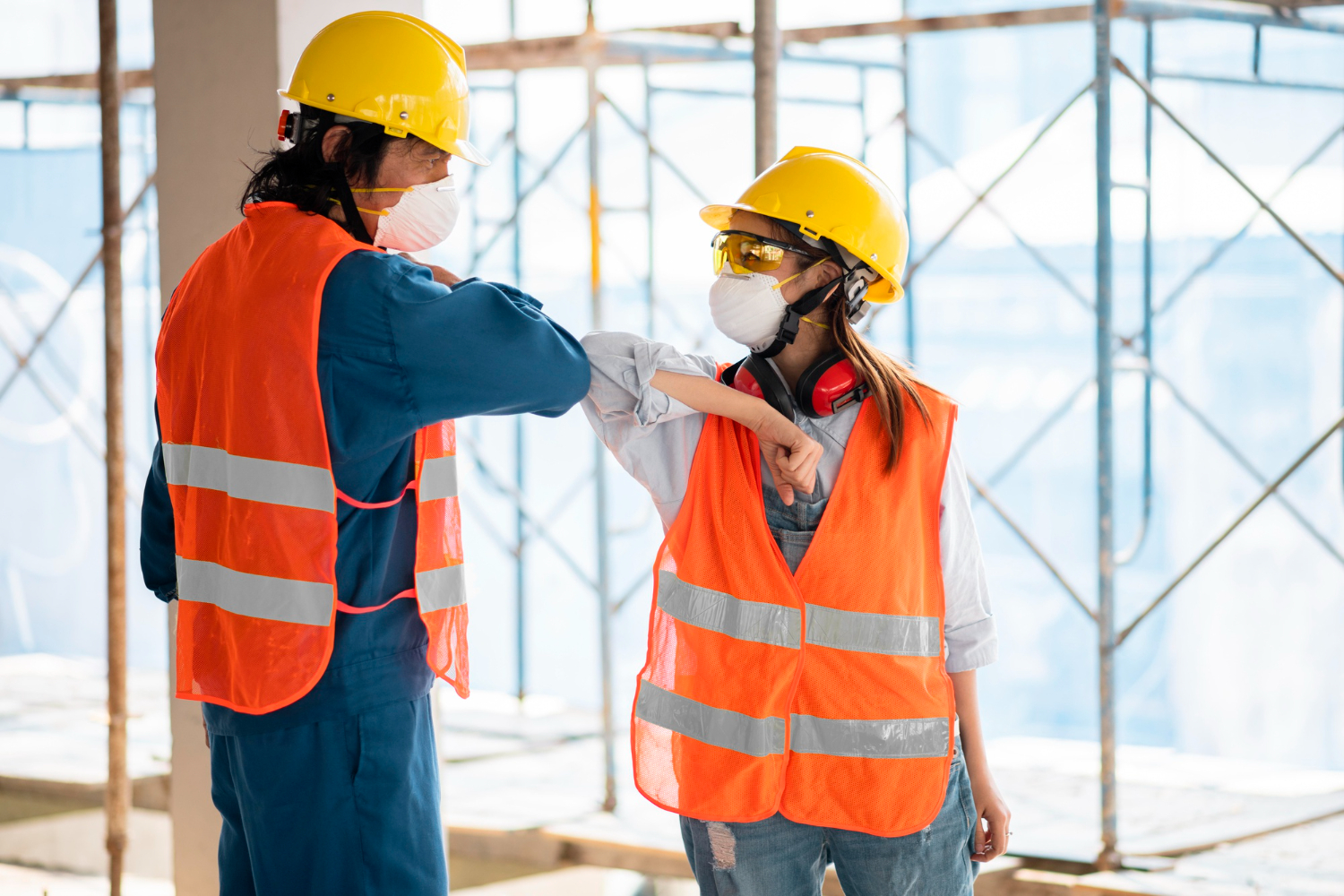
Health and safety in the construction industry has remained a persistent challenge despite decades of regulatory progress and training investment. Construction accounts for roughly one in five workplace fatalities, with over one thousand workers killed on the job each year.
Falls, struck-by incidents, electrocutions, and caught-in or caught-between hazards continue to claim lives at rates that have barely shifted in over a decade. The industry's fatality rate hovers around ten deaths per one hundred thousand workers annually, a figure that has stayed stubbornly consistent even as safety regulations have expanded.
Traditional training methods have reached their ceiling. VR-based learning approaches offer a fundamentally different pathway, one that addresses the root causes of construction injuries by changing how workers develop the skills and instincts they need to stay safe.
Why Traditional Training Falls Short
Construction safety training has historically relied on classroom instruction, toolbox talks, printed materials, and on-site demonstrations. These methods are effective at delivering information, but they struggle to develop the practical competence that prevents accidents.
The core problem is engagement. Workers who sit through safety presentations retain only five to twenty percent of the content. Even hands-on demonstrations are limited by the constraint that you cannot safely recreate the scenarios most likely to injure workers. You cannot simulate a scaffolding collapse, an energised wire contact, or a trench cave-in without putting people at risk.
There are structural challenges as well. Construction firms operate across multiple sites with varying crews and subcontractors. Trainer quality is inconsistent. Language barriers affect comprehension for multilingual workforces.
And scheduling training around active project timelines creates constant friction between safety education and productivity. A recent industry study found that thirty-eight percent of construction companies still lack a proactive approach to safety and compliance.
How VR Addresses Construction's Safety Gaps
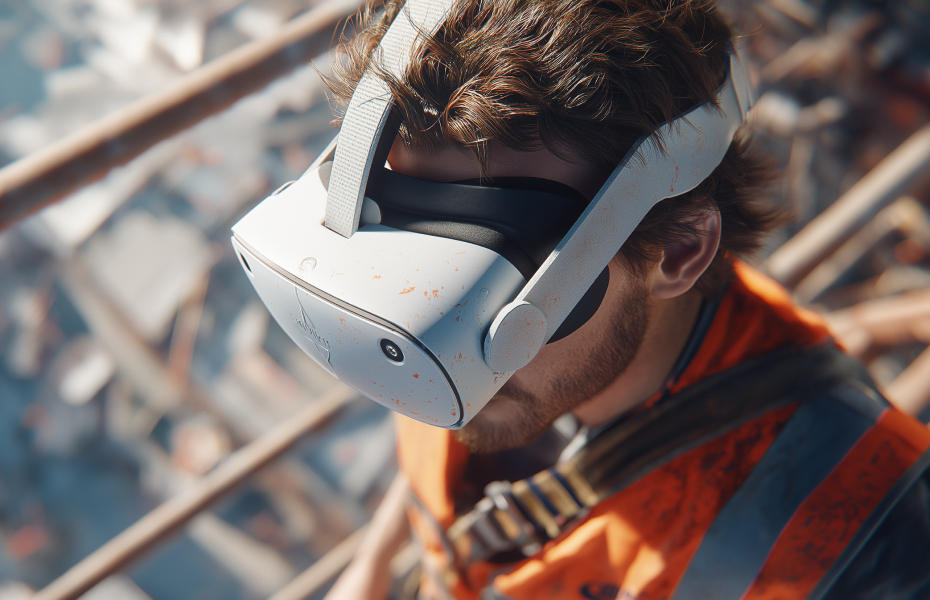
VR-based learning transforms safety training from a knowledge transfer exercise into an experiential skill-building process. Instead of telling workers about hazards, VR places them inside those hazards and requires them to respond.
Workers stand on a virtual rooftop edge and assess fall protection requirements. They identify electrical hazards in a simulated mechanical room. They practise lockout and tagout procedures on virtual equipment.
They respond to a trench wall movement and execute the correct emergency protocol. Every scenario demands active decision-making, and every decision produces visible consequences.
This approach produces dramatically better outcomes. VR trainees retain seventy-five to eighty percent of content, compared to five to twenty percent from passive instruction.
Meta-analyses of VR safety training research confirm that VR significantly outperforms traditional methods across behavioral, skills-based, and experiential measures. Workers trained in VR are four times more focused than e-learning peers and complete training four times faster than classroom learners.
The VR training benefits extend beyond individual skill development. When entire crews complete the same immersive scenarios, they develop a shared understanding of procedures and hazard response that strengthens collective safety performance across the project.
Addressing the Fatal Four Through Immersive Scenarios
The four leading causes of construction fatalities, falls, struck-by incidents, electrocutions, and caught-in or caught-between accidents, account for the vast majority of worker deaths. VR-based learning creates targeted training for each.
- Fall protection scenarios place workers at elevation and require them to assess guardrail systems, select appropriate personal fall arrest equipment, and identify conditions where additional protection is needed.
Workers experience the visual and spatial reality of working at height, building the awareness that drives careful behavior on real sites.
- Struck-by prevention simulates environments where moving equipment, falling objects, and swinging loads create collision risks. Workers practice positioning themselves safely, maintaining awareness of equipment operating zones, and responding to unexpected object movement.
- Electrical safety modules walk workers through identifying energized components, executing lockout and tagout procedures, and recognising the warning signs of electrical faults. These are procedures where a single mistake can be fatal, making VR's risk-free practice environment particularly valuable.
- Caught-in and caught-between scenarios simulate trenching, excavation, and machinery hazards. Workers learn to recognize unstable conditions, verify shoring adequacy, and maintain safe distances from operating equipment.
Each scenario follows a progressive learning structure, discovery to establish baseline knowledge, guided instruction to build understanding, independent practice to develop fluency, and assessed performance to verify competence. This structured approach ensures that virtual training moves workers from awareness to reliable on-site execution.
Building Competency-Based Safety Programs
One of the most significant limitations of traditional construction safety training is that it measures attendance rather than competence. Workers who sit through a session and sign a sheet are considered trained, regardless of whether they can actually perform the required procedures under pressure.
VR changes this dynamic entirely. Every session generates objective performance data, hazard identification accuracy, procedural compliance scores, response times, decision quality, and error patterns. Safety managers can see which workers demonstrated competence and which need additional practice before being assigned to high-risk tasks.
This data-driven approach supports the shift from compliance-focused training to competency-based programs. Rather than asking whether a worker attended fall protection training, managers can verify whether that worker correctly identified all hazards, selected appropriate equipment, and followed inspection procedures during a realistic simulation.
The analytics also reveal workforce-wide patterns. If multiple workers consistently miss the same hazard, the training program can be adjusted to address that specific gap. This continuous improvement cycle is something traditional methods cannot support.
Overcoming Adoption Challenges
Despite the clear advantages, construction firms face practical barriers when adopting VR-based learning. Budget constraints, cultural resistance, and technology unfamiliarity are the most commonly cited obstacles.
The financial case helps address the first concern. The average cost of a single medically consulted construction injury is forty-three thousand dollars. Employers collectively spend over one billion dollars per week on workers' compensation.
Studies show that every dollar invested in effective safety training returns four to six dollars through reduced incident costs. When framed against these figures, VR hardware and content represent a modest investment with measurable returns.
Cultural resistance requires a different approach. Workers and supervisors who view safety training as bureaucratic overhead need to experience VR themselves. Pilot programs that let sceptical team members try a single module often generate the enthusiasm needed to support broader rollout.
Technology barriers are increasingly manageable. Modern VR platforms run on standalone wireless headsets requiring no external computers. Content is available in fifteen or more languages. And platforms designed for construction deliver focused modules of ten to twenty minutes, fitting naturally into shift schedules and toolbox talk sessions.
Integrating VR Into Existing Safety Frameworks
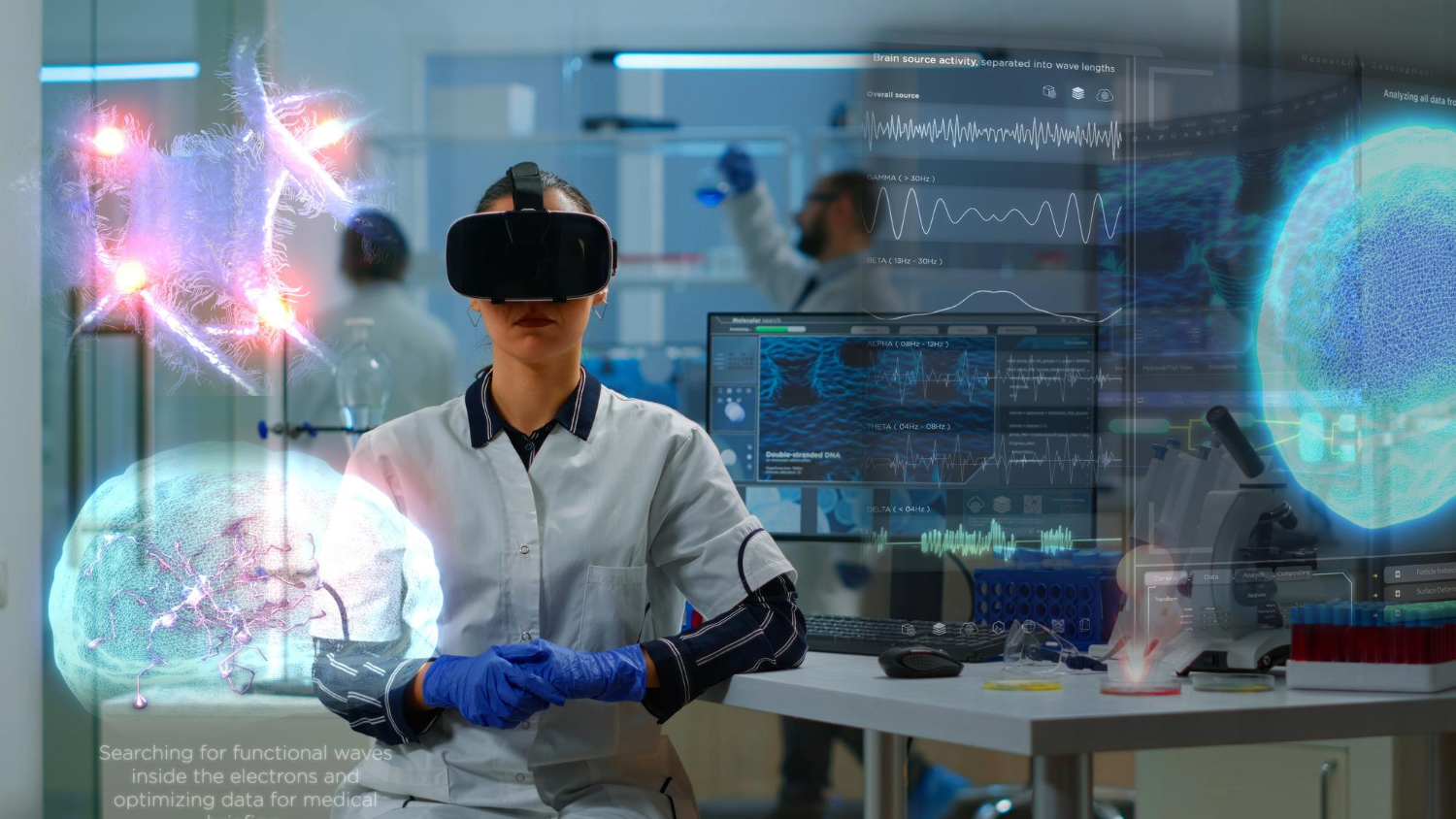
VR works best when it strengthens existing VR health and safety programs rather than replacing them. Classroom instruction still serves an important role in delivering regulatory knowledge and facilitating group discussion. On-site mentoring remains essential for real-world context.
VR fills the critical gap between theory and practice. Workers who understand the regulations from a classroom session can then practice applying those regulations in a realistic virtual environment. The immersive practice builds the procedural fluency and muscle memory that protect workers when they face real hazards on site.
This blended approach also supports ongoing compliance. VR refresher modules reinforce critical procedures without requiring extended time away from productive work. Focused sessions on topics like evacuation drills and emergency response keep skills sharp between formal training cycles.
Performance data from each refresher session reveals whether competency levels are being maintained or whether targeted follow-up is needed, creating a continuous feedback loop that traditional methods cannot match.
Next World provides construction-focused VR training modules delivered on wireless headsets with built-in performance analytics, giving safety managers the tools to build competency-based programs that measurably reduce workplace injuries.
Frequently Asked Questions (FAQs)
1. Why Is VR-Based Learning Effective for Construction Safety?
VR places workers inside realistic hazard scenarios where they practise decision-making and procedural execution without physical risk. This experiential approach produces retention rates of seventy-five to eighty percent, compared to five to twenty percent from traditional methods, and builds the practical skills that prevent accidents on active construction sites.
2. Which Construction Hazards Can VR Training Address?
VR can simulate all four leading causes of construction fatalities, falls, struck-by incidents, electrocutions, and caught-in or caught-between hazards. Modules cover fall protection assessment, electrical lockout procedures, equipment awareness, trenching safety, and emergency response scenarios.
3. How Does VR Support Compliance With Construction Safety Regulations?
VR generates objective performance data for every training session, providing verifiable evidence that workers demonstrated competence in specific procedures. This data supports regulatory compliance requirements more effectively than attendance-based records from traditional training.
4. Can VR Training Work for Multilingual Construction Crews?
Yes. Leading VR platforms deliver content in fifteen or more languages. Because VR relies on visual demonstration and physical interaction alongside spoken instruction, it naturally reduces the impact of language barriers and ensures consistent training quality across diverse workforces.
5. What Is the Financial Case for VR Safety Training in Construction?
The average medically consulted construction injury costs forty-three thousand dollars, and employers spend over one billion dollars weekly on workers' compensation. Studies show effective safety programmes return four to six dollars for every dollar invested, making VR a sound financial strategy for improving health and safety in the construction industry.
Author:

Share Article:
Author:
Share Article: