Safety management in construction has always relied on a combination of policies, procedures, and training to keep workers safe on site. The policies set the standard. The procedures outline how work should be done. But it is the training that determines whether workers can actually put those standards into practice when it counts.
For most of the industry's history, that training has been delivered through classroom sessions, inductions, and toolbox talks.
These methods communicate information, but they do not give workers the chance to practice applying it in realistic conditions. Virtual reality tools are changing that by providing the hands-on, scenario-based training that traditional methods have always lacked.
Why Construction Needs Better Training Tools
Construction remains one of the most hazardous industries globally. Workers face risks from heights, heavy machinery, electrical systems, confined spaces, hazardous substances, and constantly shifting site conditions.
The complexity of these hazards means that knowing the rules is not enough. Workers need to be able to recognize risks in real time, make sound decisions under pressure, and execute safety procedures without hesitation.
Traditional training approaches struggle to develop these capabilities. A classroom presentation on fall protection can explain the importance of harness inspections and anchor point selection, but it cannot replicate the experience of standing on an elevated platform and making those decisions with the ground far below.
A toolbox talk on confined space entry can outline the permit-to-work process, but it cannot simulate the stress of monitoring atmospheric readings while coordinating a rescue. The gap between theoretical knowledge and practical competency is where most training programs fall short, and it is exactly where VR tools deliver the greatest value.
How VR Tools Strengthen Safety Systems
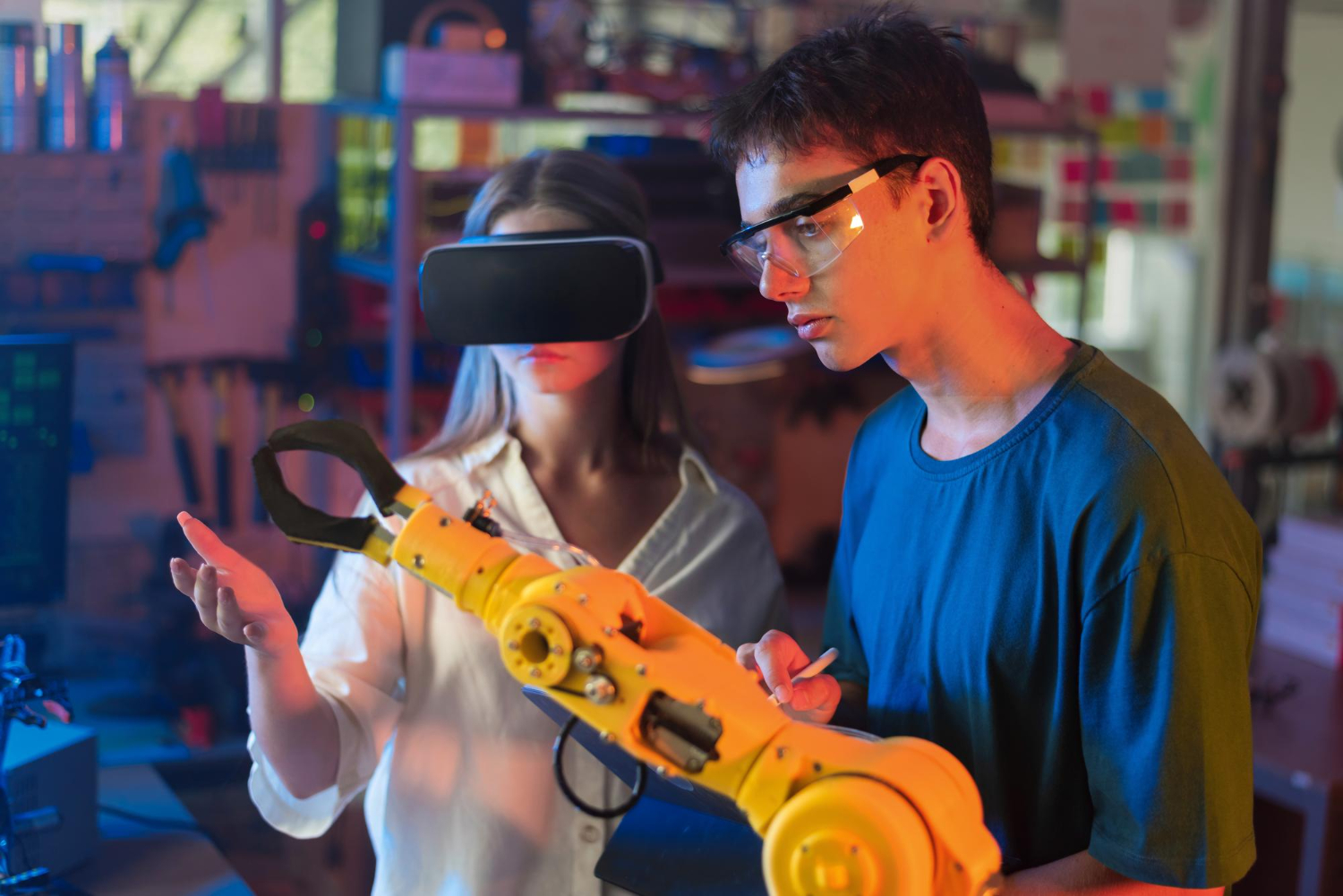
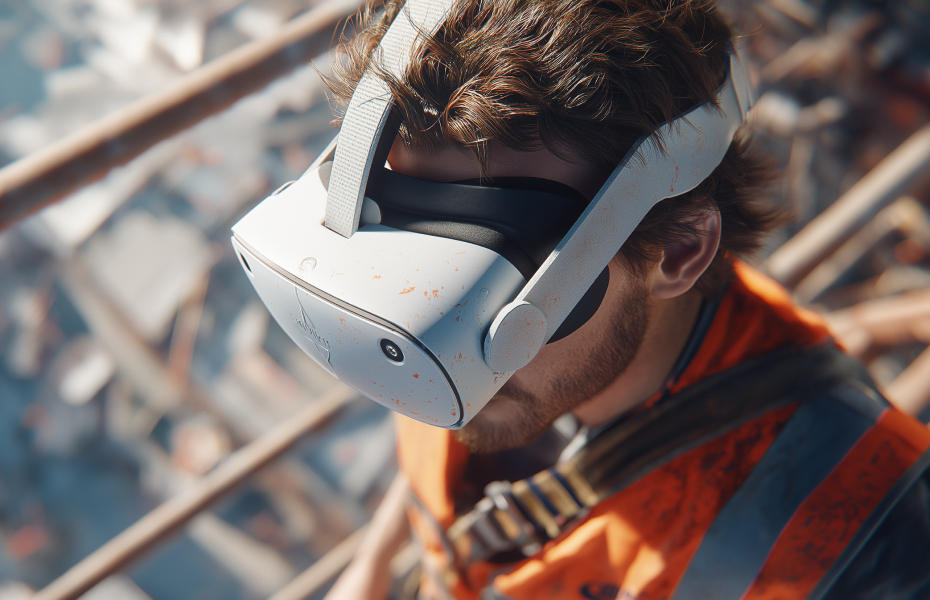
VR training works by placing workers inside realistic, three-dimensional simulations of construction environments.
Workers wear a headset and interact with the virtual space, identifying hazards, selecting equipment, following procedures, and responding to scenarios that mirror the challenges they will face on a real site. The experience is active rather than passive, and the learning is embedded through practice rather than instruction.
For safety managers, this creates several immediate advantages. First, VR allows workers to encounter high-risk scenarios without any actual exposure to danger. A worker can experience a scaffolding failure, an electrical arc flash, or a gas leak in a confined space without anyone being harmed.
These experiences create strong emotional responses that reinforce safe behavior far more effectively than written warnings or verbal reminders ever could.
Second, VR provides consistent delivery. Every worker who completes a module receives the same content, the same scenarios, and the same assessment criteria.
This eliminates the variability that comes with different trainers, different venues, and different levels of engagement across sessions. Consistency is critical for organizations that need to demonstrate compliance across large workforces and multiple project sites.
Third, VR generates performance data. Every session captures what the worker did, which hazards they identified, which steps they completed correctly, and where they made errors.
This data transforms training from a check-the-box exercise into a genuine competency assessment. Safety managers can use it to identify skill gaps, target coaching, and provide evidence of workforce readiness to regulators and clients.
Addressing the Highest-Risk Activities
The construction activities that cause the most serious injuries and fatalities are also the ones where VR training delivers the strongest results.
Falls from height, struck-by incidents, electrocution, and caught-in or caught-between accidents account for the majority of construction fatalities. Each of these hazard categories involves dynamic, high-pressure situations where split-second decisions determine outcomes.
VR simulations allow workers to rehearse their responses to these exact situations. A worker can practice inspecting fall arrest equipment, selecting correct anchor points, and identifying edge protection gaps on a virtual rooftop before they set foot on a real one.
They can walk through an energized electrical panel lockout tagout sequence on virtual equipment, building the procedural confidence that prevents shortcuts on site. They can enter a virtual confined space, monitor atmospheric conditions, and respond to alarms, all while their performance is tracked and assessed.
This kind of experiential learning is particularly effective for less experienced workers who may not yet have developed the situational awareness that comes with time on site.
Rather than relying solely on senior workers to mentor new starters through every hazard they encounter, VR provides a structured way to accelerate competency development while keeping the learning environment completely safe.
Platforms like Next World offer hazard safety training modules designed specifically for these high-risk construction scenarios, giving workers repeated practice until correct responses become instinctive.
Building a Proactive Safety Culture
Effective construction safety management goes beyond preventing incidents. It requires building a culture where safety is an active priority at every level of the organization, from project directors to first-day apprentices.
A strong safety culture means workers speak up about hazards, challenge unsafe practices, and take personal responsibility for the wellbeing of themselves and their colleagues.
VR training contributes to this culture in ways that traditional methods cannot easily replicate.
When workers experience the consequences of a missed hazard in a virtual environment, they develop a personal connection to safety procedures that no poster or policy document can create. When they successfully complete a complex procedure under simulated pressure, they gain confidence that translates directly to better performance on site.
The data captured during VR sessions also enables a more coaching-oriented approach to safety leadership.
Instead of simply telling workers what they did wrong after an incident, supervisors can review VR performance data and have targeted conversations about specific behaviors before anything goes wrong on site. This shift from reactive to proactive safety culture is one of the most significant benefits VR brings to construction safety programs.

Integrating VR Into Existing Safety Systems
VR tools are not a replacement for your safety management framework. They are a practical enhancement that strengthens the training component within your existing system. The most effective approach is to identify the areas where training gaps create the greatest risk and deploy VR modules to address those gaps directly.
Start with your incident data and risk assessments. Which activities generate the most near misses, injuries, or compliance findings? Those are the areas where VR will have the most immediate impact. Use immersive learning solutions to supplement your inductions, toolbox talks, and refresher programs with hands-on practice that builds real competency.
The performance data from VR sessions integrates naturally into your safety reporting. You can demonstrate to auditors, regulators, and clients that your workers have been assessed against specific competency standards rather than simply attending a session and signing an attendance sheet.
This evidence-based approach to safety management in construction is increasingly what clients and regulators expect to see, and it gives your organization a clear advantage in demonstrating due diligence.
For organizations committed to continuous improvement, VR also provides a feedback loop that traditional training cannot match. When you can see exactly where workers struggle in a simulation, you can adjust your toolbox talks, safe work method statements, and supervision strategies to target those specific weaknesses.
This creates a cycle of improvement where training data drives operational decisions and safer outcomes across every project. Adopting virtual training technology positions your organization to meet rising expectations while genuinely reducing risk on site.
Frequently Asked Questions (FAQs)
1. What Is Construction Safety Management?
Construction safety management is the systematic approach to identifying hazards, assessing risks, implementing controls, providing training, and monitoring performance to protect workers and ensure regulatory compliance on construction sites. It encompasses policies, procedures, and ongoing improvement.
2. How Do VR Tools Improve Construction Safety Training?
VR tools improve training by replacing passive instruction with active, scenario-based practice.
Workers experience realistic construction hazards in a controlled virtual environment, build procedural competency through repetition, and receive immediate feedback on their performance. This produces significantly stronger retention than traditional classroom or toolbox talk methods.
3. Can VR Training Be Used for Regulatory Compliance?
VR training can form a core component of a compliant training program when it is aligned with the relevant competency standards and regulatory requirements. It provides measurable evidence of worker competency that supports compliance reporting, audit readiness, and due diligence documentation.
4. What Construction Hazards Can VR Simulations Address?
VR simulations can address a wide range of construction hazards including falls from height, confined space entry, electrical safety, fire prevention, manual handling, hazard identification, lockout tagout procedures, and equipment operation. Modules can be customized to reflect specific site conditions, project phases, and the unique risk profile of each worksite.
5. How Does VR Fit Into an Existing Construction Safety Program?
VR fits into existing programmes as a practical training layer that supplements inductions, toolbox talks, and refresher courses with immersive practice. The performance data generated by VR sessions supports evidence-based safety management in construction and helps safety leaders identify gaps, target coaching, and demonstrate workforce competency.
Author:

Share Article:
Author:
Share Article: