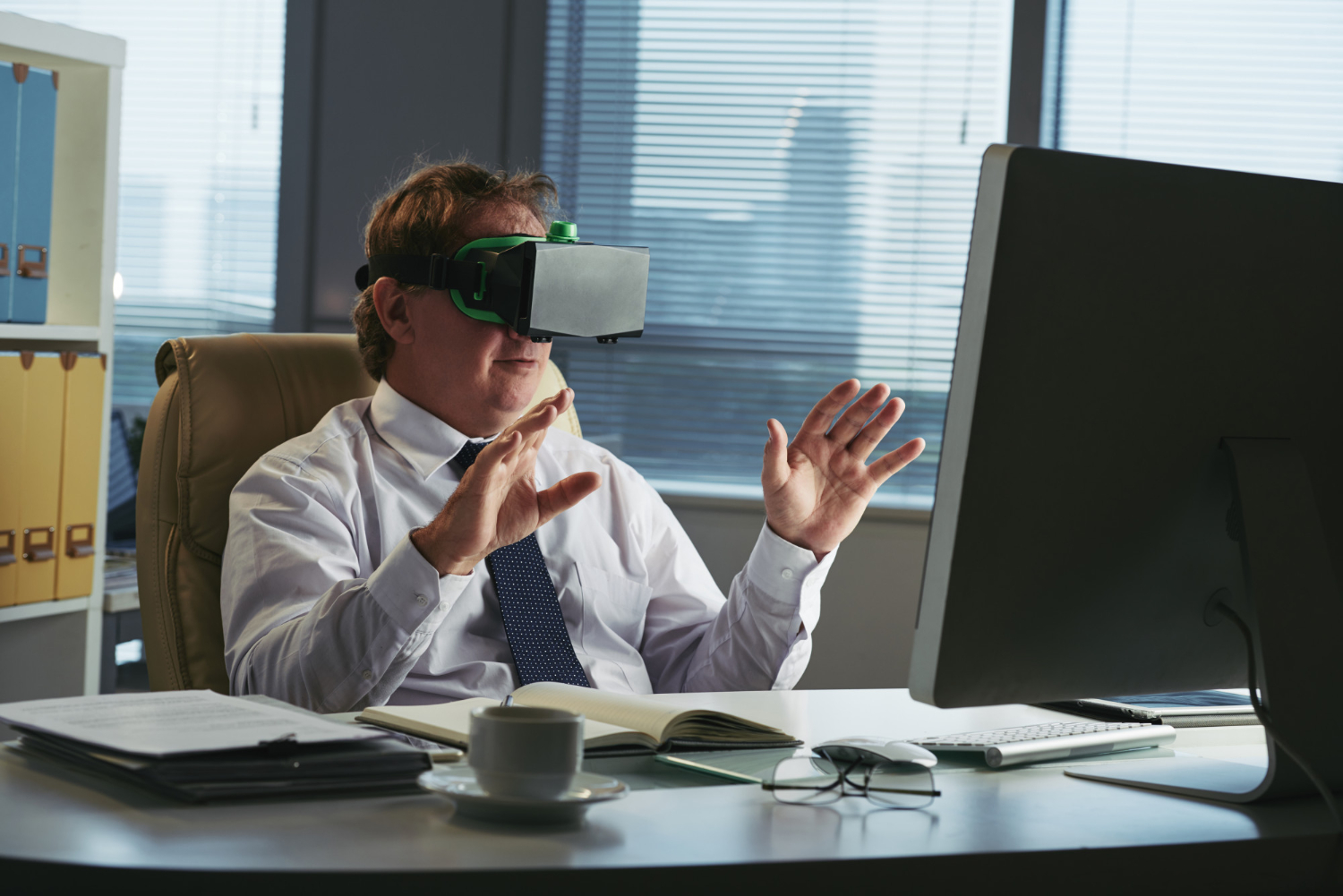
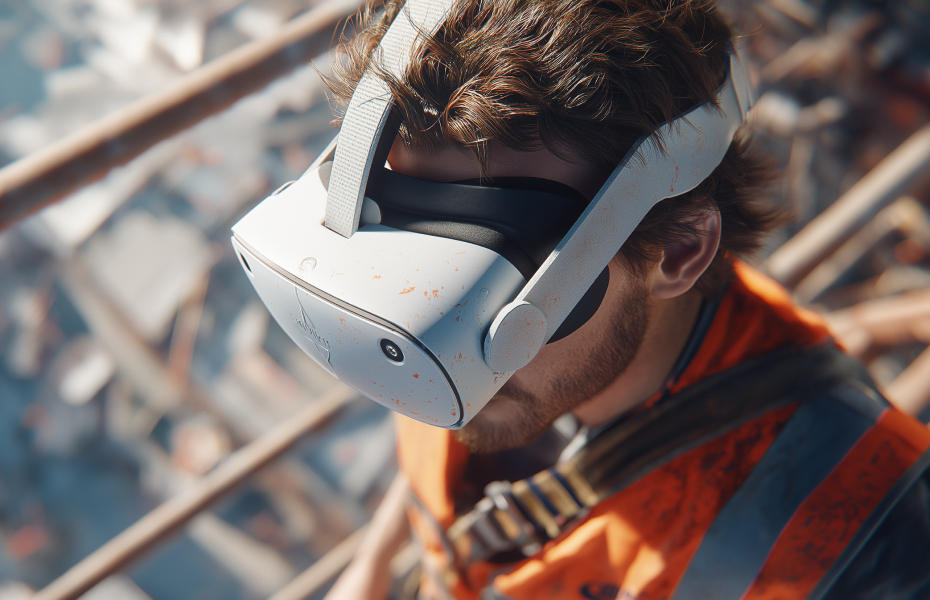
VR safety training solutions are giving organizations a more effective way to prepare workers for the hazards they face every day. Workplace injuries remain a persistent and costly problem across industries.
Employers spend more than a billion dollars per week on direct workers' compensation costs for serious non-fatal injuries alone, and the total economic burden of occupational injuries runs into the hundreds of billions annually when indirect costs like lost productivity, replacement training, and regulatory penalties are included.
Traditional training methods contribute to this problem by relying on passive delivery formats that fail to build the practical skills workers need to stay safe.
Immersive learning through virtual reality offers a fundamentally different approach, one that places workers inside realistic scenarios where they practise procedures, recognize hazards, and make decisions under pressure without any physical risk.
Why Traditional Training Falls Short
Conventional safety training typically relies on classroom presentations, written materials, and video content. These methods communicate essential regulatory information, but they share a common limitation, they are passive. Workers sit, watch, and listen, but they do not actively practise the behaviors that prevent injuries.
The consequences are measurable. Passive learning methods produce retention rates between five and twenty percent. Workers leave training with a basic understanding of what they should do, but without the procedural fluency to do it reliably under real conditions.
When a hazard arises on site, the gap between knowing the correct response and performing it instinctively can be the difference between a near-miss and a serious injury.
Traditional methods also cannot safely recreate the conditions that cause the most harm. You cannot stage a scaffolding collapse, simulate a chemical spill in an occupied facility, or create a realistic confined space emergency. Workers encounter many of the most dangerous scenarios for the first time on a live job, with real consequences if they respond incorrectly.
How VR Addresses the Training Gap
Virtual reality closes the gap between knowledge and performance by shifting training from passive observation to active participation. Workers wearing a VR headset step into a realistic simulation of their working environment, where they must identify hazards, follow procedures, and respond to emergencies as though the situation were real.
This approach leverages well-established principles of immersive learning. When learners are physically engaged in a task, their brains process information differently than when they passively receive it. V
R trainees retain seventy-five to eighty percent of what they learn, compared to five to twenty percent from lecture-based methods. The emotional and sensory engagement of a realistic simulation creates stronger neural pathways, translating into faster, more reliable responses on a real site.
Critically, VR allows workers to experience consequences without suffering them. A trainee who forgets to clip a harness at height feels the sensation of a virtual fall. An operator who skips a lockout step sees the virtual machine activate unexpectedly. These visceral experiences create lasting behavioural change that a slide presentation cannot.
Evidence for Injury Reduction
The case for immersive safety training is supported by measurable outcomes across multiple industries. Organizations that have implemented immersive training programs report significant reductions in incidents, injuries, and lost time.
In the mining sector, the introduction of VR safety training led to a forty-three percent reduction in lost-time injuries. Manufacturing companies using VR simulations have documented injury rate reductions of up to seventy percent compared to prior periods.
A quasi-experimental study involving two hundred participants found that VR-based training increased safety awareness by thirty percent and significantly improved both risk perception and self-efficacy compared to traditional methods.
These improvements are driven by the specific capabilities VR brings to safety training. Workers develop stronger hazard recognition skills through repeated exposure to realistic scenarios.
They build procedural fluency by practicing correct responses until those responses become automatic. And they develop the confidence to act decisively when conditions deteriorate, because they have already experienced similar situations in a controlled virtual training environment.
Core Components of Effective VR Solutions
Not all VR safety training platforms deliver the same results. The most effective programs share several key characteristics that distinguish them from basic VR experiences.
Scenario realism is essential. The virtual environment must closely replicate the actual conditions workers face, including the specific equipment, layouts, and hazard types relevant to their roles. Generic simulations that look impressive but do not match real working conditions produce weaker skill transfer.
Progressive difficulty matters as well. Workers should begin with guided scenarios that introduce concepts and procedures with prompts and feedback, then advance to independent practice where they must perform without assistance, and finally complete formal assessments that measure competency against defined standards.
Data capture and analytics are what transform VR from a training tool into a training management system. Every session should generate detailed performance data, which hazards workers identified, which procedures they followed correctly, their response times, and their error patterns.
This data allows safety managers to identify workforce-wide trends, target interventions at specific competency gaps, and demonstrate training effectiveness with objective evidence rather than attendance records.
Integration with existing training frameworks is the final critical component. VR works best when it complements classroom instruction, on-the-job mentoring, and other established methods rather than replacing them entirely.
Effective VR health and safety programs position immersive training as the bridge between theoretical knowledge and practical application.
Industries Benefiting From VR Safety Solutions
While VR safety training applies across virtually all sectors, certain industries are seeing particularly strong results due to the nature of their hazards and the limitations of their traditional training methods.
Construction remains one of the most dangerous industries globally, with falls, struck-by incidents, and caught-in hazards accounting for the majority of fatalities. VR enables workers to practise fall protection, equipment operation, and hazard identification in virtual jobsite environments.
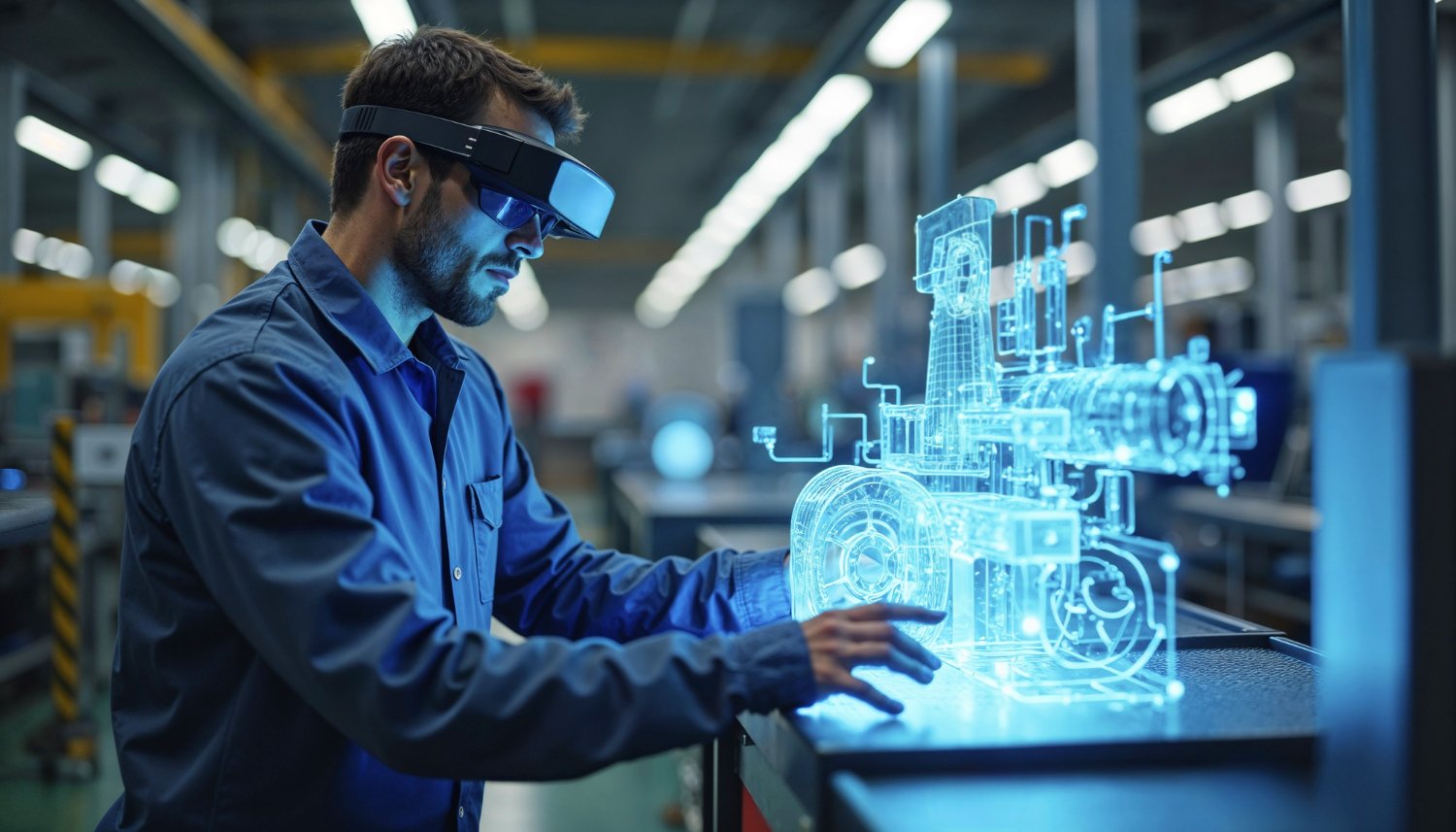
Manufacturing and heavy industry benefit from VR simulations of equipment operation, lockout-tagout procedures, and emergency response. Workers practice on virtual machinery that behaves exactly like real equipment, building the procedural knowledge that prevents injuries.
Oil and gas, mining, and energy sectors face unique challenges with remote locations and high-consequence emergencies. VR allows workers to rehearse evacuation drills and emergency procedures for situations that cannot be safely staged at operational facilities.
Logistics and warehousing operations benefit from VR training for forklift safety, loading dock procedures, and manual handling techniques.
The Financial Case for Immersive Training
Beyond the human cost of workplace injuries, the financial argument for immersive safety training is compelling. The average cost per medically consulted workplace injury exceeds forty thousand dollars when accounting for wages, medical expenses, and administrative costs.
Indirect costs, including lost productivity, equipment damage, regulatory penalties, and increased insurance premiums, can multiply this figure significantly. Employers who invest in effective safety programs can expect to save four to six dollars for every dollar spent.
VR training contributes to these savings through multiple channels. Reduced injury rates directly lower workers' compensation costs and insurance premiums. Shorter training sessions free workers to return to productive tasks sooner.
Consistent, standardized delivery eliminates the variability that comes with different instructors at different locations. And the detailed performance data VR generates strengthens an organization's position during audits and regulatory reviews.
Next World delivers immersive training platforms that combine a library of safety modules with built-in analytics and wireless VR hardware, providing organisations with a complete solution for deploying vr safety training solutions across their workforce.
Frequently Asked Questions (FAQs)
1. How Does VR Safety Training Reduce Workplace Injuries?
VR reduces injuries by shifting training from passive instruction to active, immersive practice. Workers develop stronger hazard recognition, procedural fluency, and decision-making skills through realistic simulations. Organizations using VR have reported injury reductions ranging from forty-three to seventy percent across different industries.
2. What Industries Benefit Most From VR Safety Training?
Industries with high-consequence hazards and limited opportunities for safe real-world practice benefit most. Construction, manufacturing, mining, oil and gas, energy, and logistics all see strong results because VR allows workers to practise dangerous scenarios without physical risk.
3. How Does VR Compare to Traditional Safety Training Methods?
VR trainees retain seventy-five to eighty percent of what they learn, compared to five to twenty percent from classroom-based methods.
VR also builds procedural skills through active practice, which passive methods cannot deliver. Studies show VR-trained workers demonstrate higher safety awareness, better risk perception, and greater confidence in applying safety procedures.
4. What Should Organizations Look for in a VR Safety Training Platform?
Look for realistic scenario design matched to your specific hazards, progressive training structures with guided and independent practice phases, detailed performance analytics, multilingual support, and the ability to integrate with your existing training framework.
Portable, standalone hardware that works without a connected computer also simplifies deployment.
5. Is VR Safety Training Cost-Effective Compared to Traditional Methods?
VR requires higher initial investment but delivers significant long-term savings. Reduced injury rates lower compensation and insurance costs, shorter sessions improve productivity, and standardised delivery eliminates inconsistency.
Employers investing in safety programs can expect four to six dollars in savings for every dollar spent, and vr safety training solutions contribute directly to these returns.
Author:

Share Article:
Author:
Share Article: